| Status: | Active, open to new members |
| Leader: | |
| Group email: | Natural History group |
| When: | Monthly on Tuesday mornings 2nd Tuesday in the month around mid-morning - duration varies |
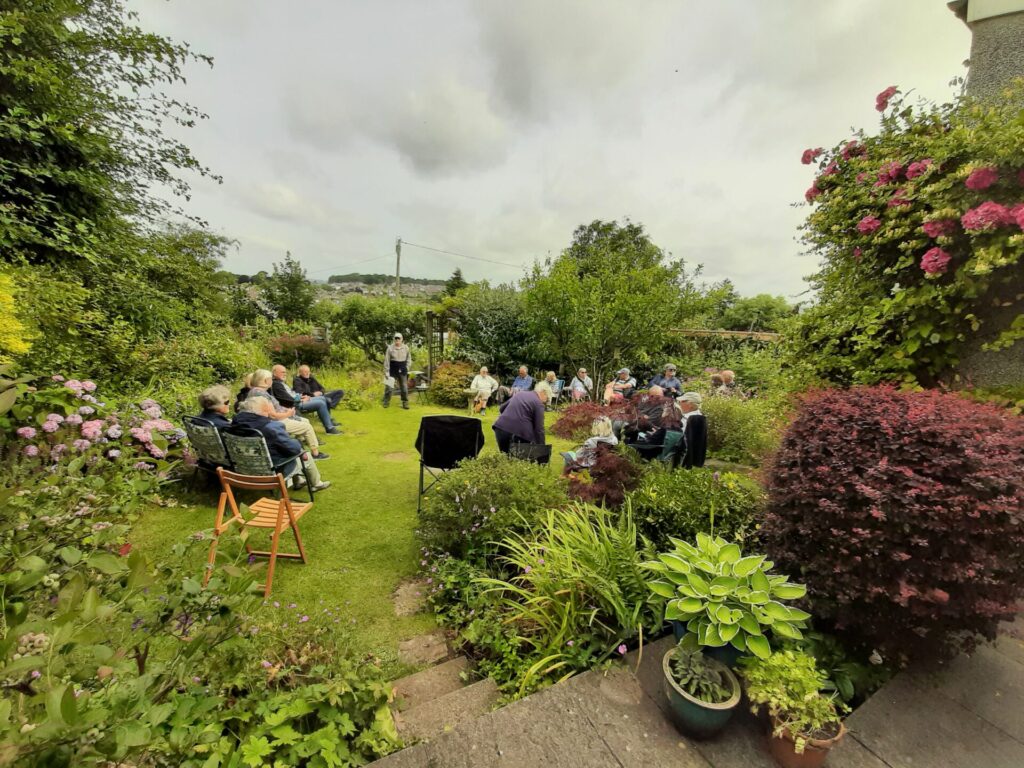
This group aims to cater for all interests ranging from birds to beetles, flowers to fungi! Recent visits have included Wembury Marine Centre, Mountbatten, Buckfastleigh nature churchyard, train travel to Calstock salt marsh, Dartmoor, and South Efford Marsh.
We meet at The Staddy car park to leave by 10:00 in as few cars as possible. We usually car share, offering lifts to those unable to drive and we encourage members to use public transport if feasible. Occasionally we meet indoors to hear talks from wildlife experts. We visit sites with varying habitats, also nature reserves.
Visits may involve walking up to three miles on rough footpaths; mud and stiles are often encountered, so please bring suitable clothing and footwear. We like to observe, discuss and identify the fauna and flora we see. Anyone with a love of nature will be most welcome.
October 2026
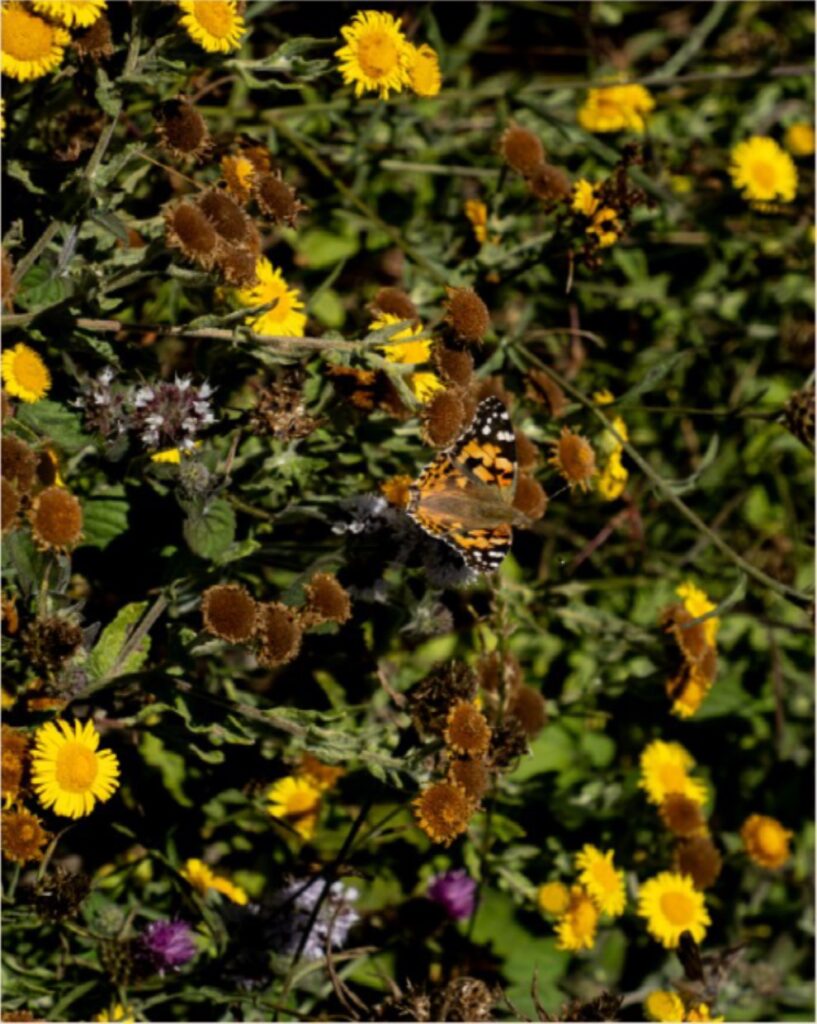
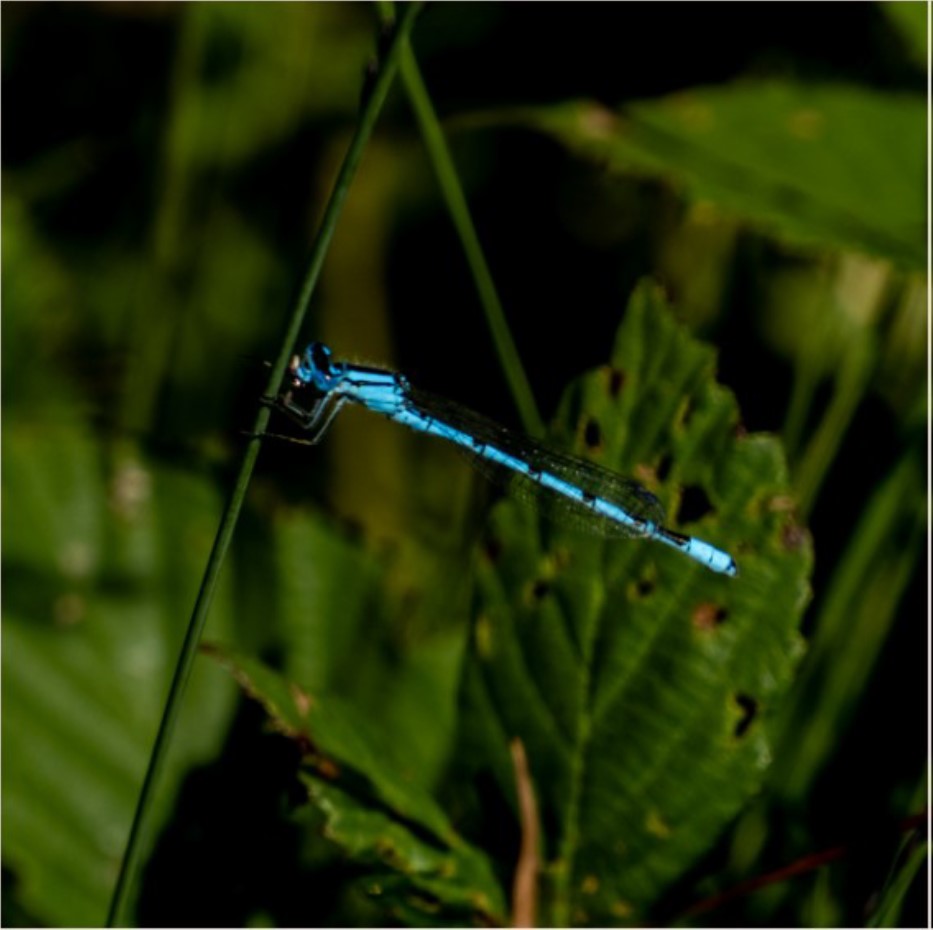
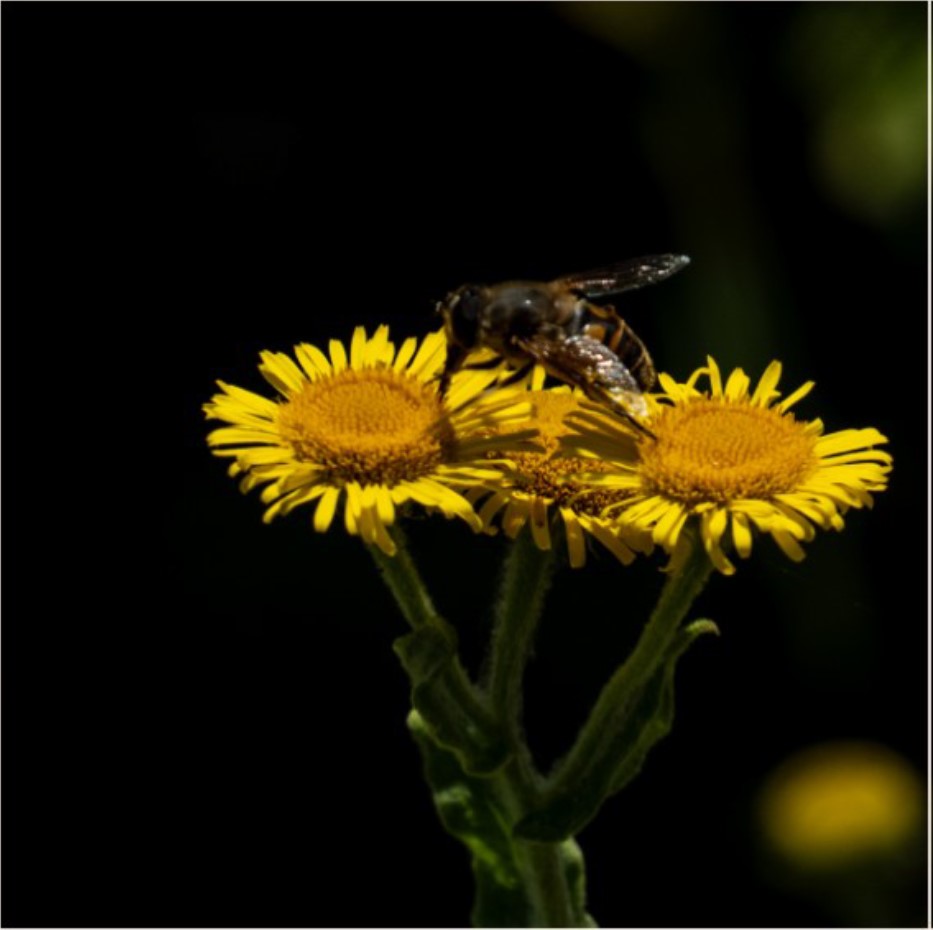
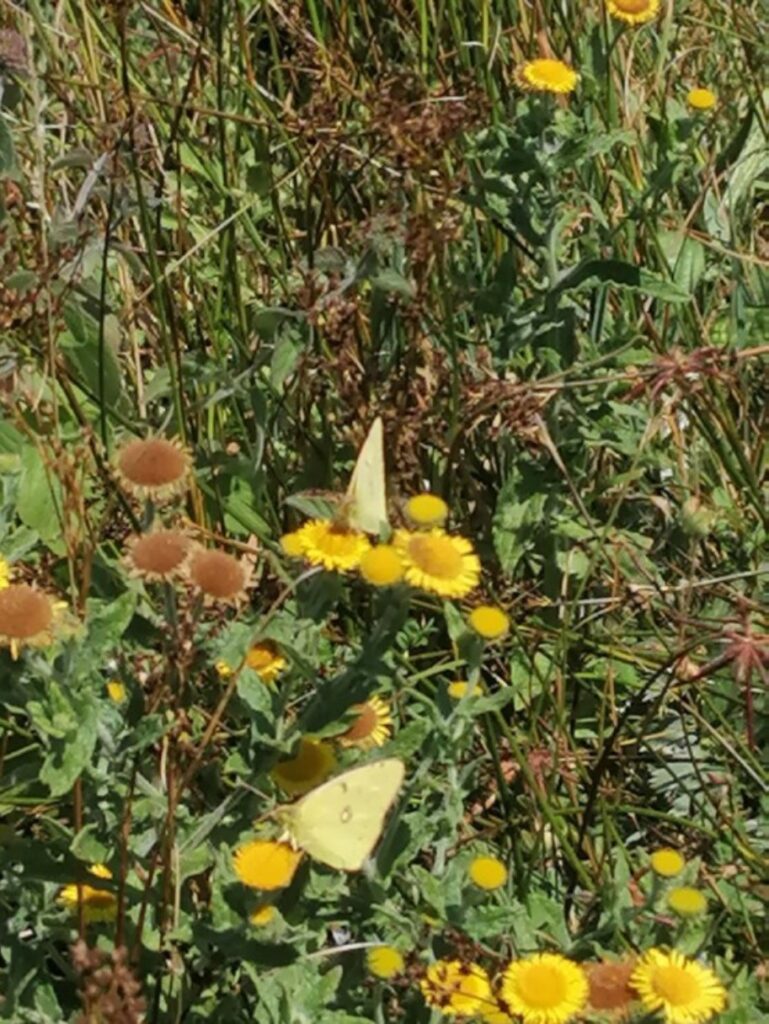
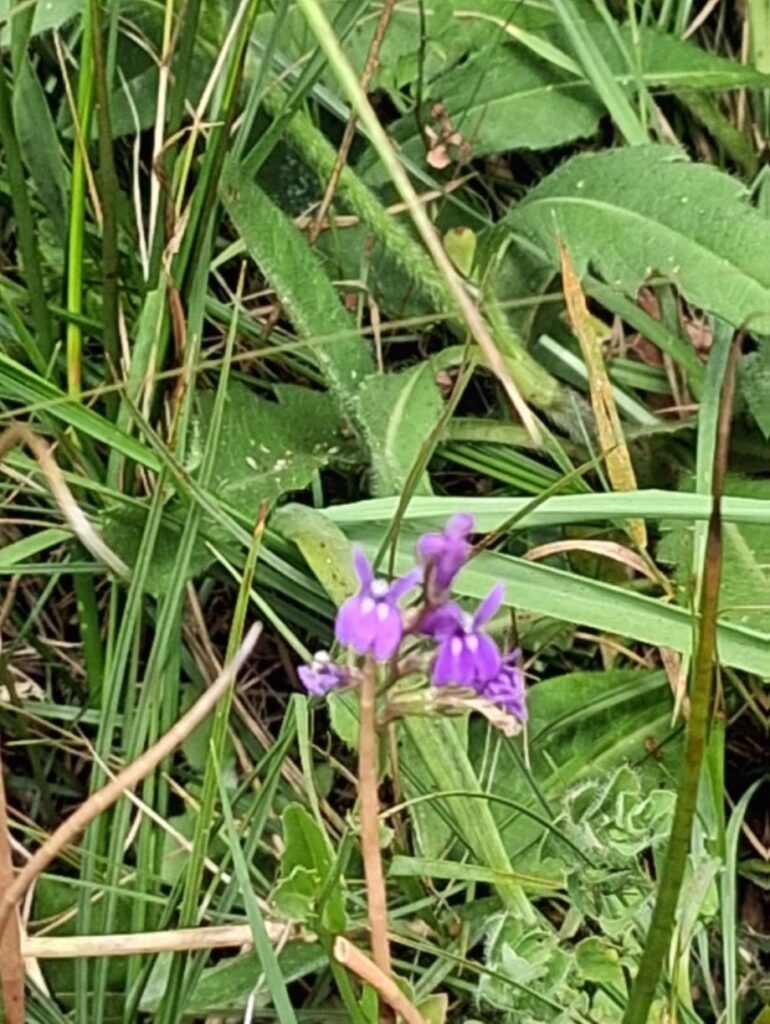
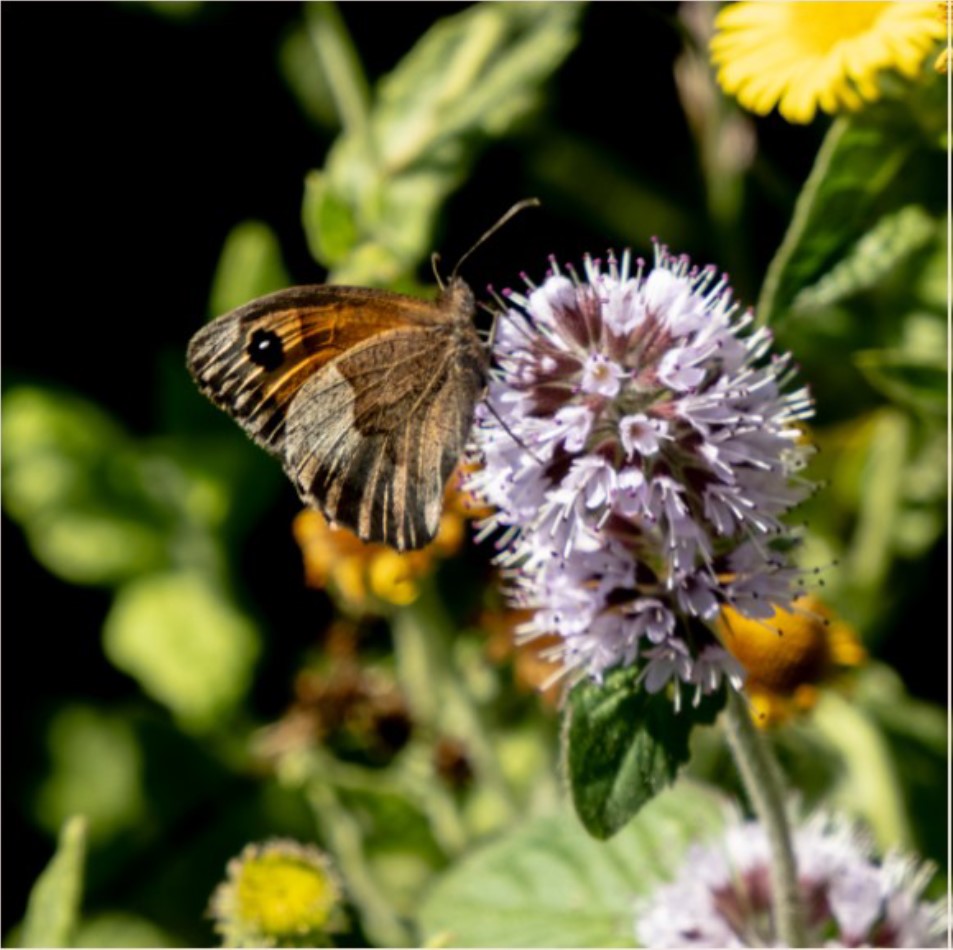
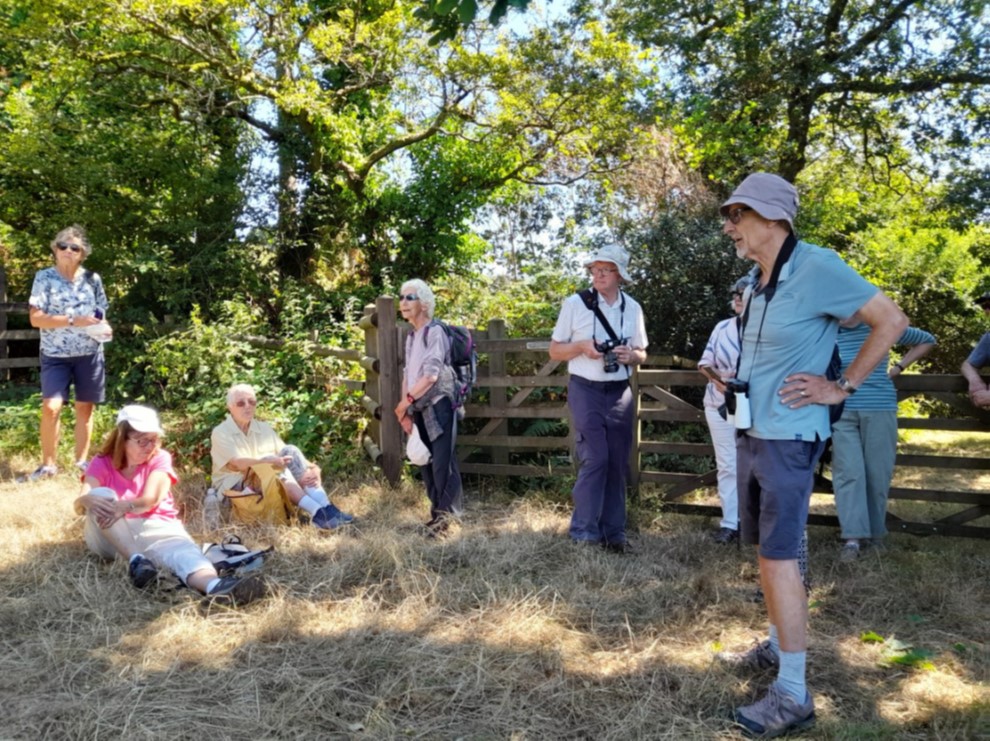
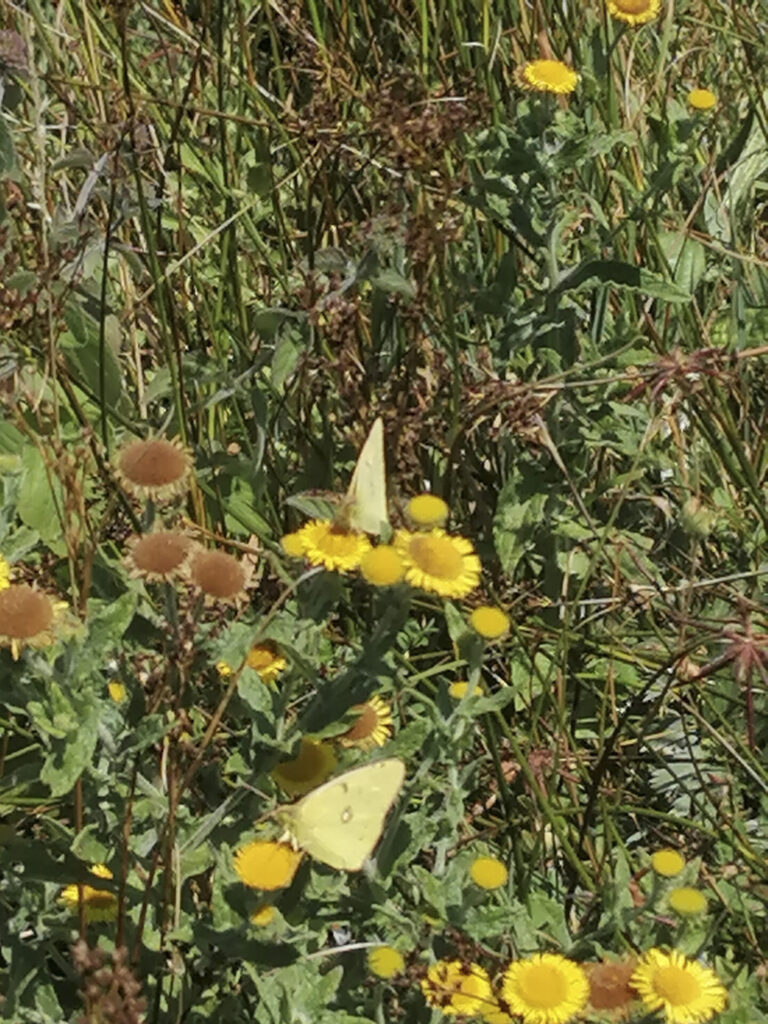
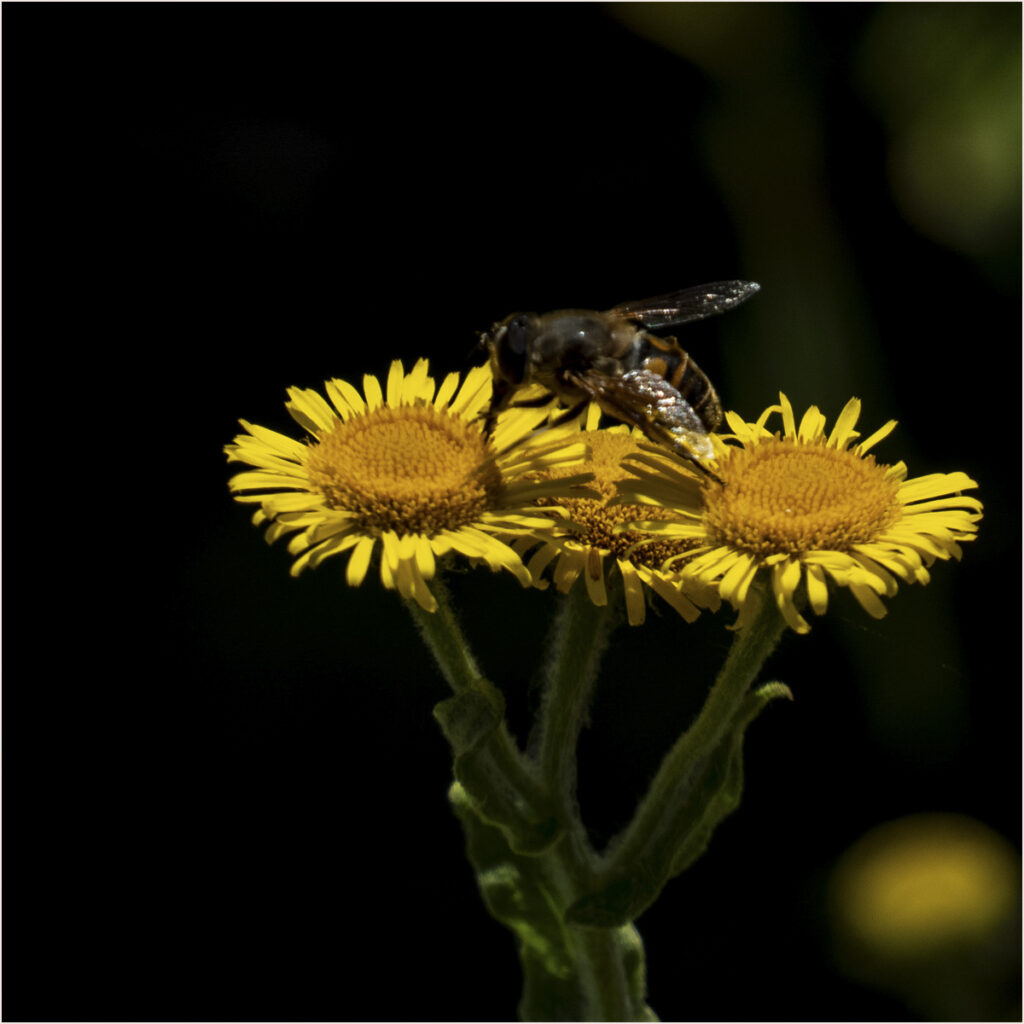
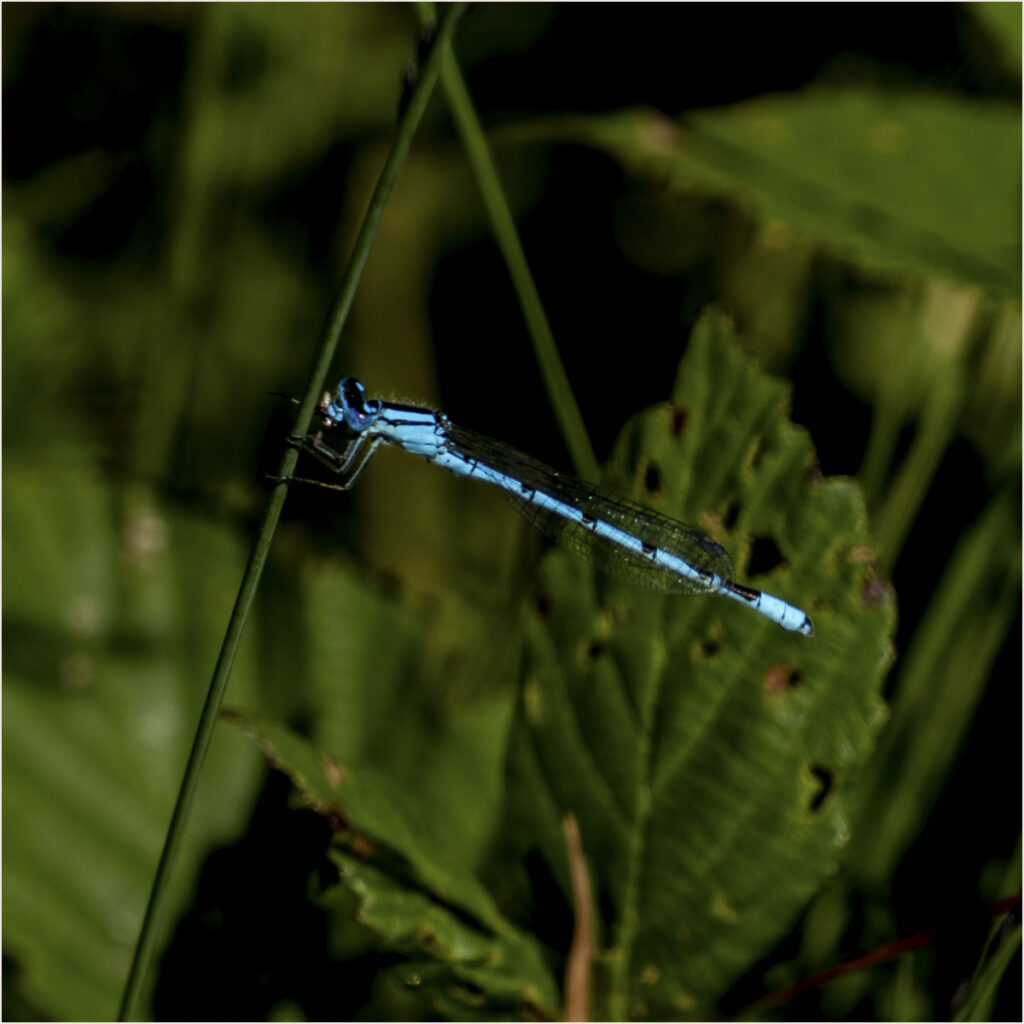
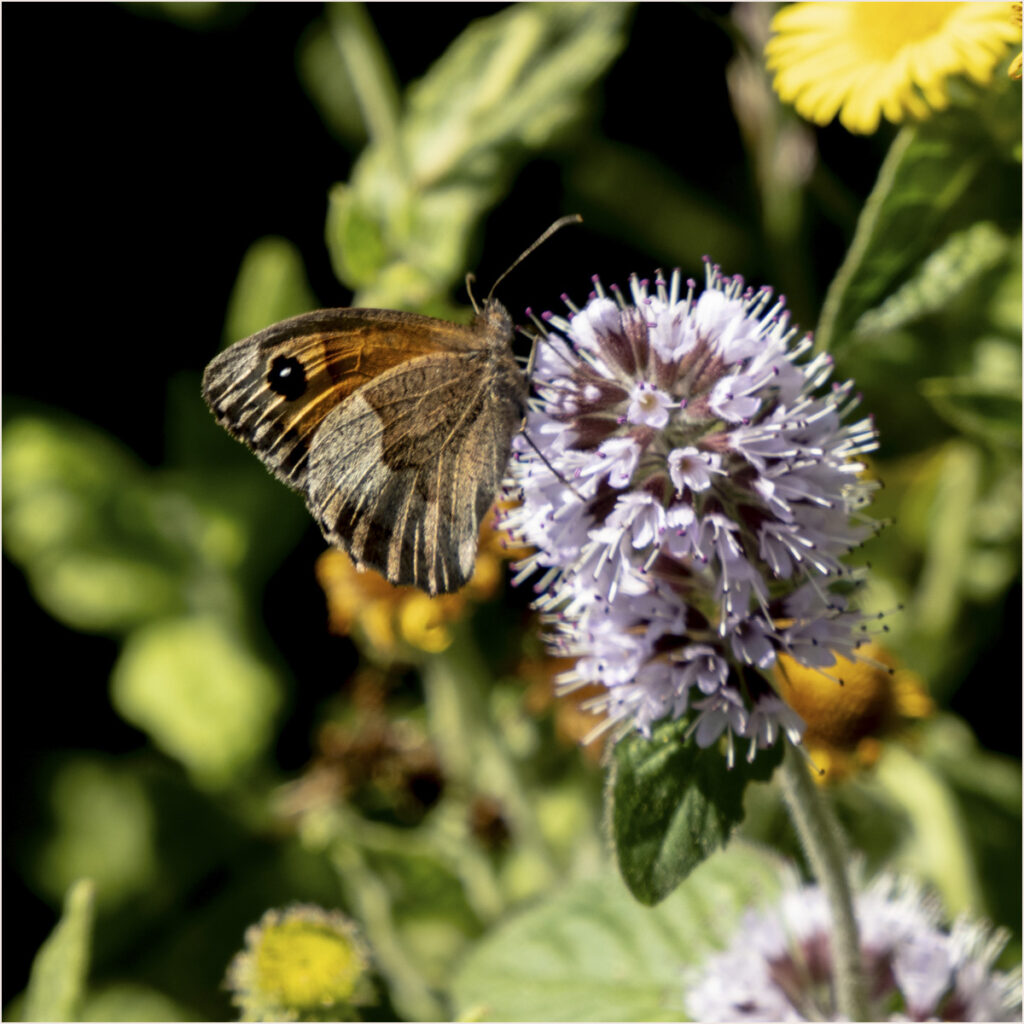
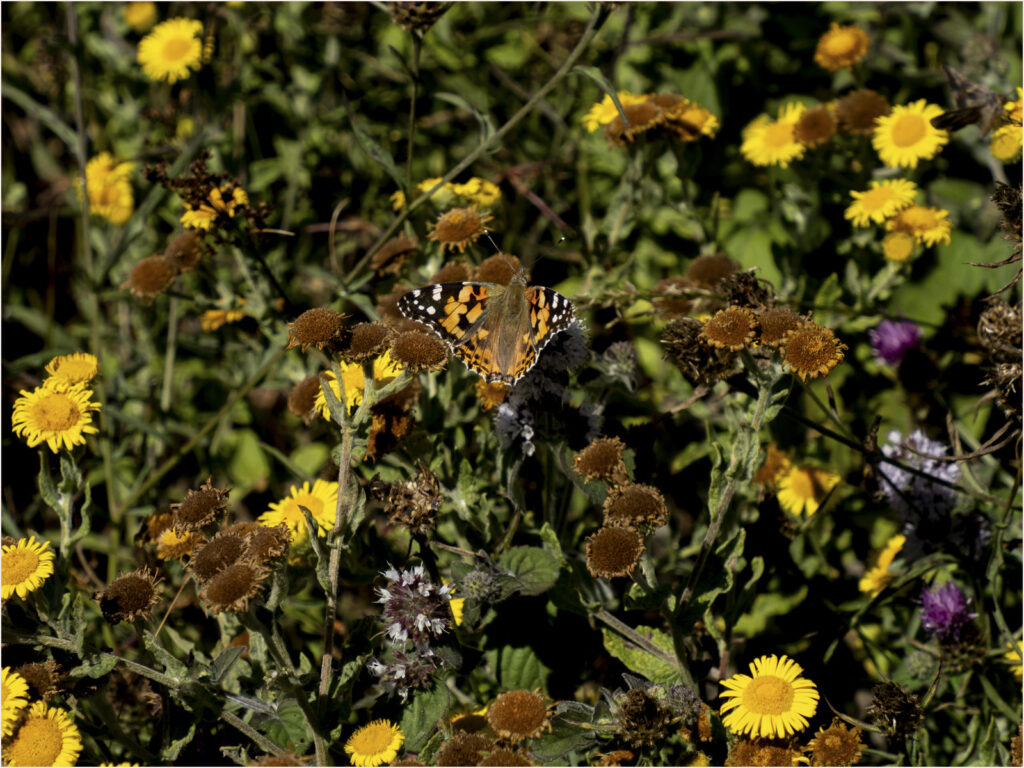
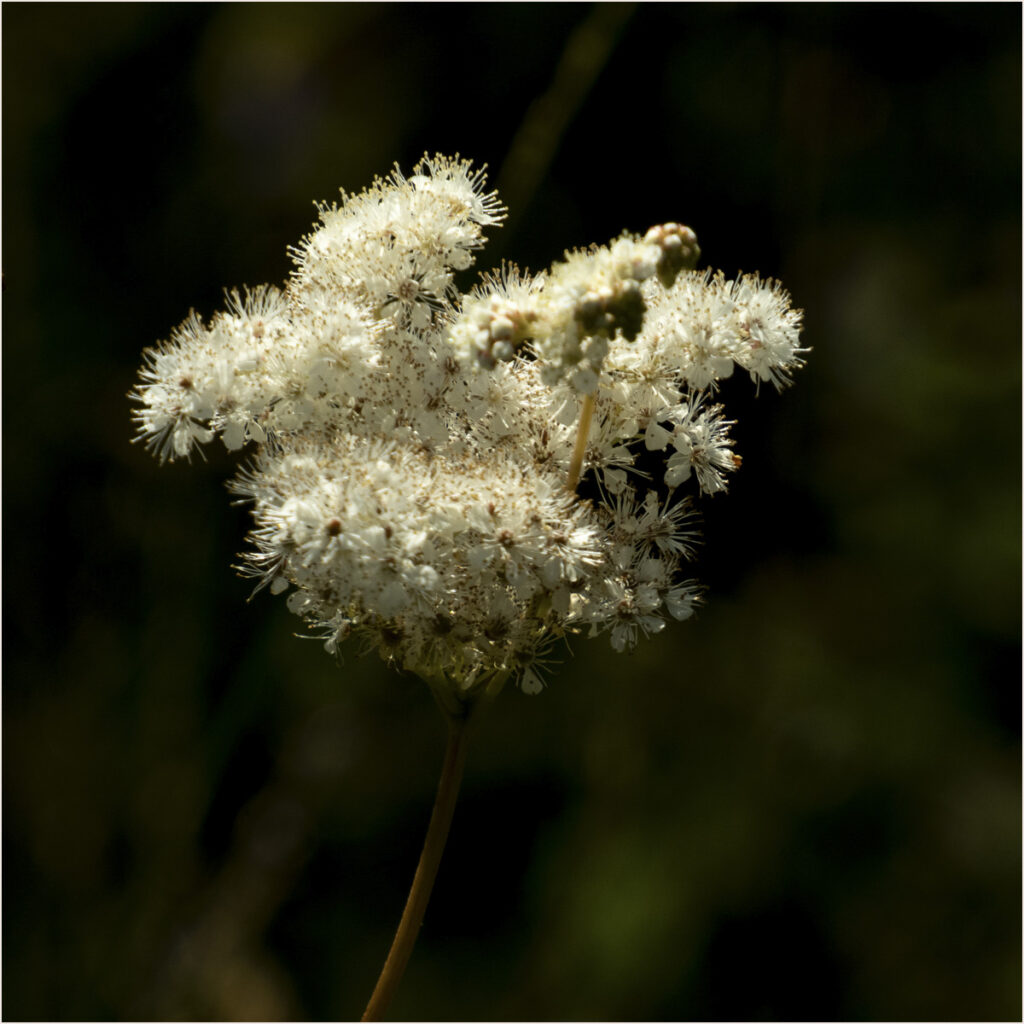
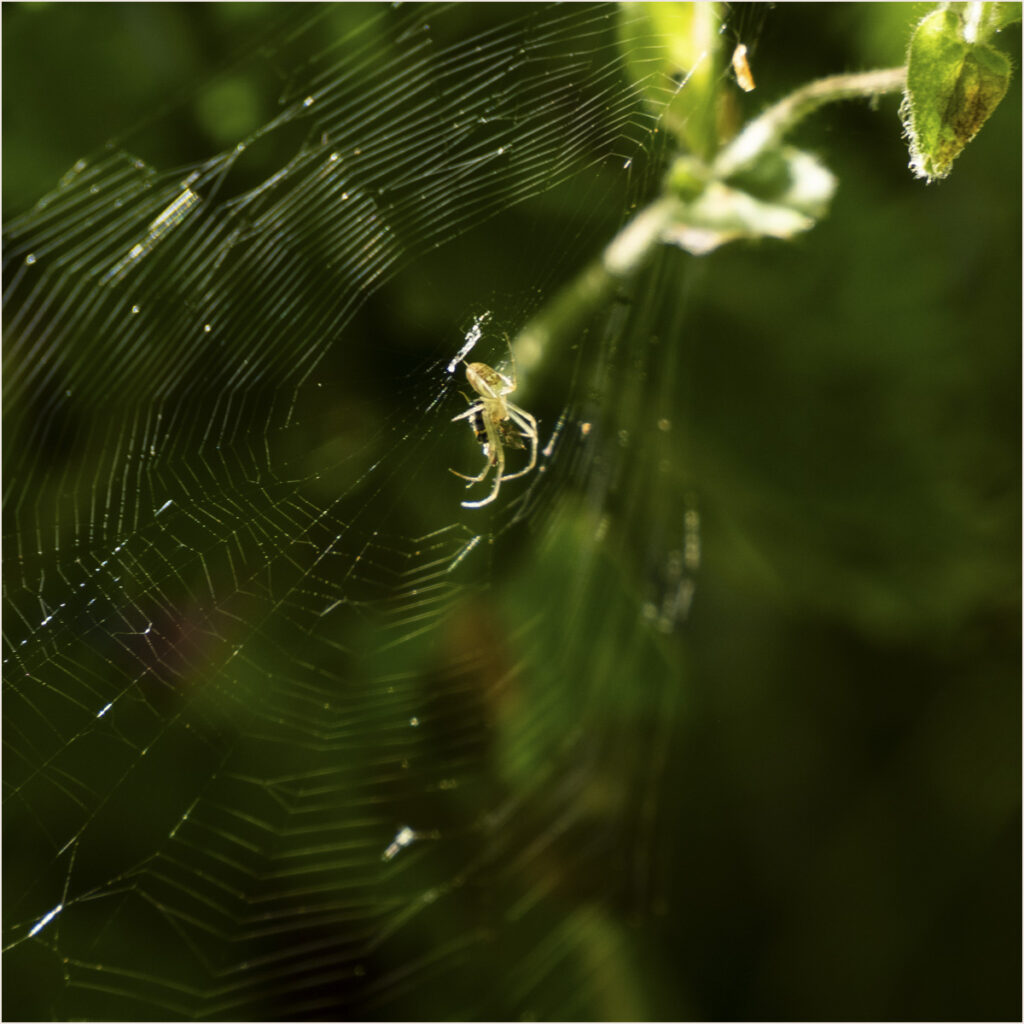
Our August meeting was at Andrews Wood near Loddiswell. Despite near drought conditions, this area was fairly green due to a stream running down to woodland , and the slopes still having colour from some hardy plants. The conditions evidently suited butterflies as there were many varieties in large numbers. Andrews Wood is a special site managed by Devon Wildlife Trust and we were fortunate to be shown a rare heath lobelia by a volunteer.
August 2026
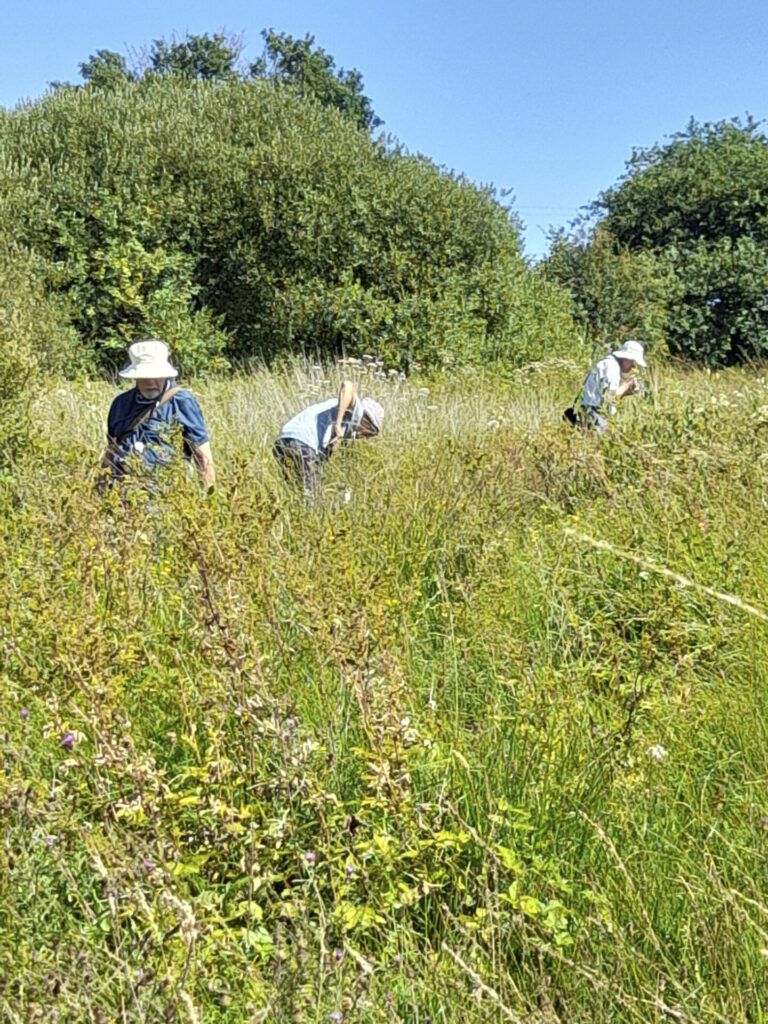
Our August meeting was at Andrews Wood near Loddiswell. Despite near drought conditions , this area was fairly green due to a stream running down to woodland , and the slopes still having colour from some hardy plants. The conditions evidently suited butterflies as there was a large variety in large numbers. Andrews Wood is a special site managed by Devon Wildlife Trust and we were fortunate to be shown the rare heath lobelia by a volunteer.
July 2026
The July meeting of the Natural History Group was held at Saltram and led by Mel Cockings. The 12 Members attending found weather conditions favourable for wildlife viewing and identifying species as follows:
Birds : Mallard, Mandarin Duck, Moorhen, Magpie, Swallow, Chaffinch, Wood Pigeon, House Martin, Crow, Blackbird, Parakeet, Great Egret, Swan, Black Headed Gull, Heron, Pheasant.
Butterflies : Peacock, Gatekeeper, Large White, Meadow Brown, Small Heath, Speckled Wood. Other Insects : Unidentified Grasshoppers and bees.
Further Group visits currently being planned include Andrews Wood nature reserve at Loddiswell , Wembury seashore and Calstock. A bird and wildlife cruise will be arranged once the winter boat schedule is published.
June 2026
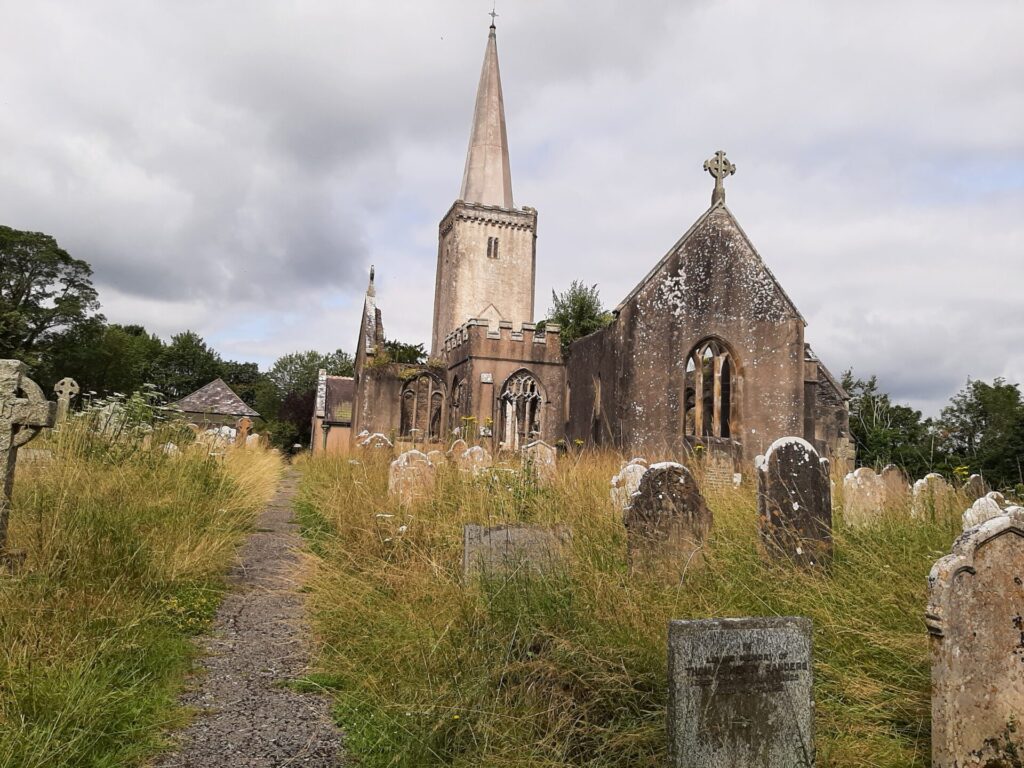
In June, we visited Holy Trinity Church, Buckfastleigh. The area around the ruins of the church is preserved as a nature reserve while maintained as a churchyard.
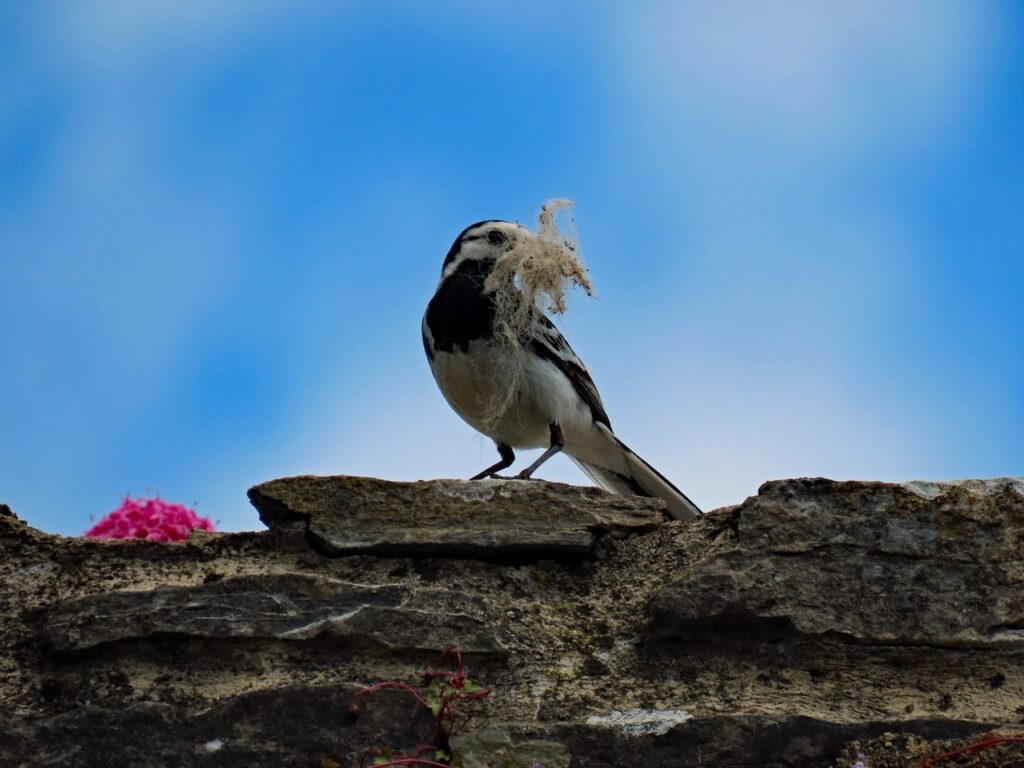
The main aim of our visit was hopefully to see swifts nesting high up in the special boxes on the tower. Although there were none to be seen that day, there was other wildlife to be seen. We had our own 'Springwatch' moment, watching parent swallows zooming into a porch and feeding three chicks whose gaping mouths were visible over the edge of the nest. The adults were also clearing faecal sacs out of the nest. A pied wagtail could be seen entering a gap in the stonework where it had built its nest.
With dense foliage on the surrounding trees it was difficult to see birds, but many could be heard. At the end of the morning a short drive down the hill took us to Buckfast Abbey for lunch, which was very welcome.
Species seen:
Plants - buttercups, herb robert, birds foot trefoil, ox eye daisy, yellow rattle, valerian, wall pennywort, red campion, maiden hair spleenwort, black medick.
Birds - magpie, swift/martin, wagtail, swallow, chaffinch, robin.
Birds heard - long tailed tit, chiffchaff, dunnock, wren.
Others - meadow brown butterfly, carder bee.
June 2026
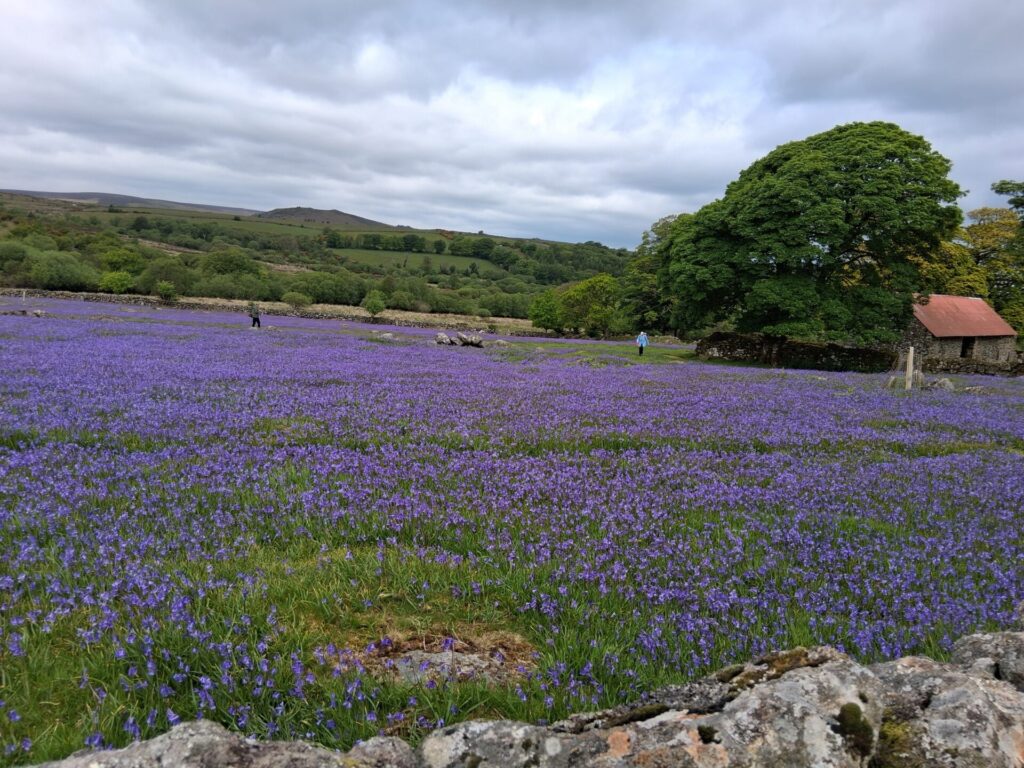
For our May visit, we met at Emsworthy Mire on Dartmoor, an area managed by DWT.
While most bluebells are fading locally, on the high land there were large areas of bluebells, much shorter stemmed and in full flower, which was a lovely sight. Due to the strong, cold wind, there were fewer birds to be seen than expected but plenty of birdsong, especially in the wooded boggy valley where small froglets were also seen. Some specialized flowers were also found in the wet land, such as sundew, marsh violet, sphagnum moss and water crowfoot.
Species:
Flowers - bluebells, tormentil, violet - white, mauve, marsh, lesser stitchwort, cottongrass, ladies smock, water crowfoot, milkwort, sundew, sphagnum moss.
Birds - blackcap, meadow pipit, magpie, crow, jackdaw, chaffinch, reed bunting, redstart, curlew.
Heard - cuckoo, wren. wheatear, willow warbler.
May 2026
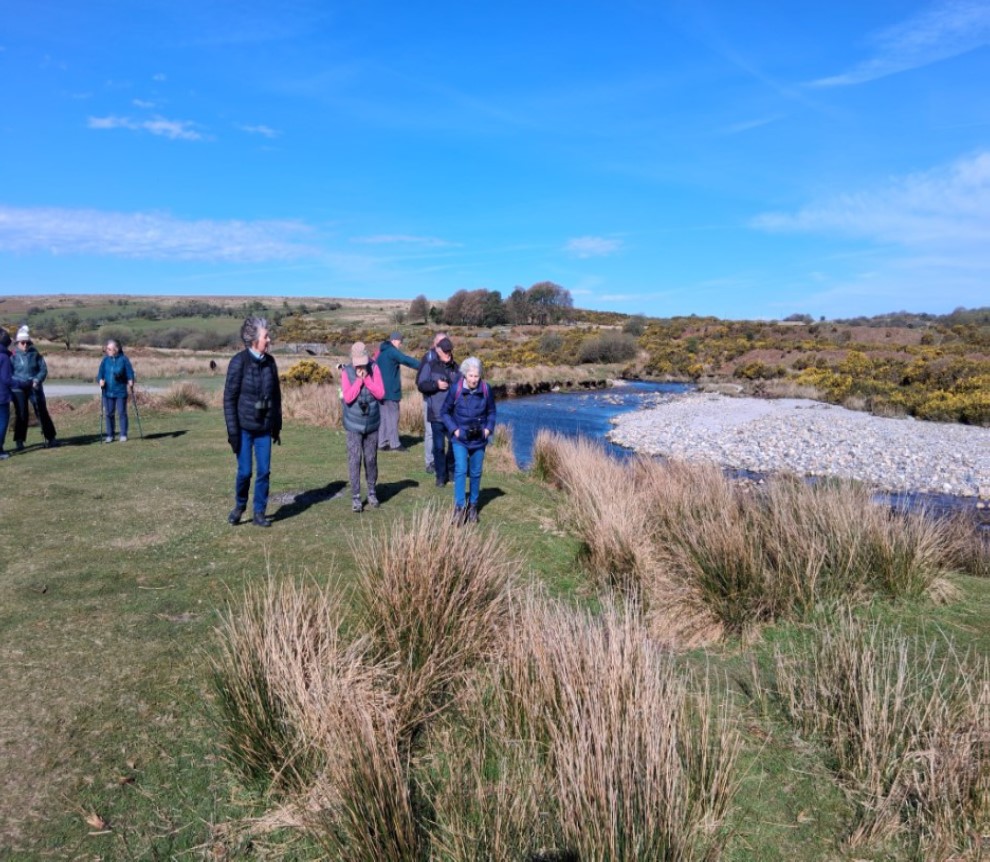
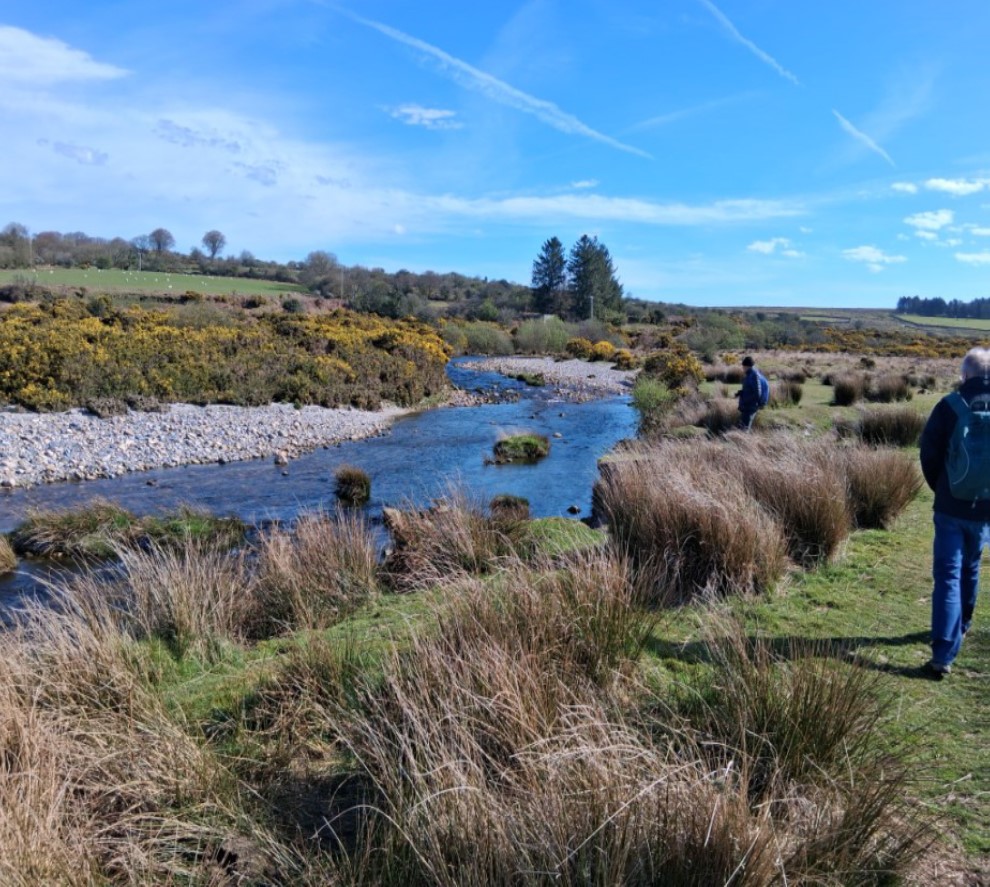
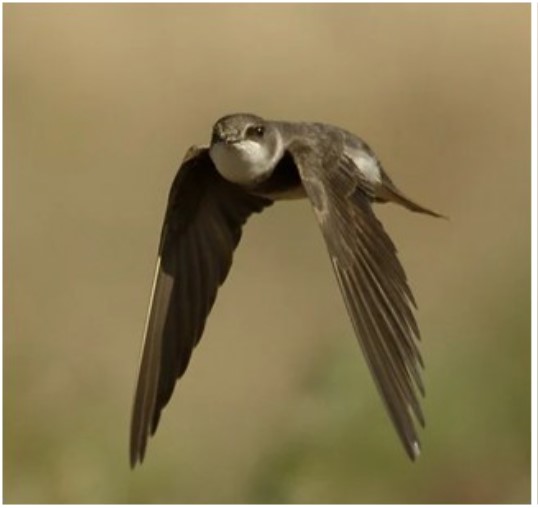
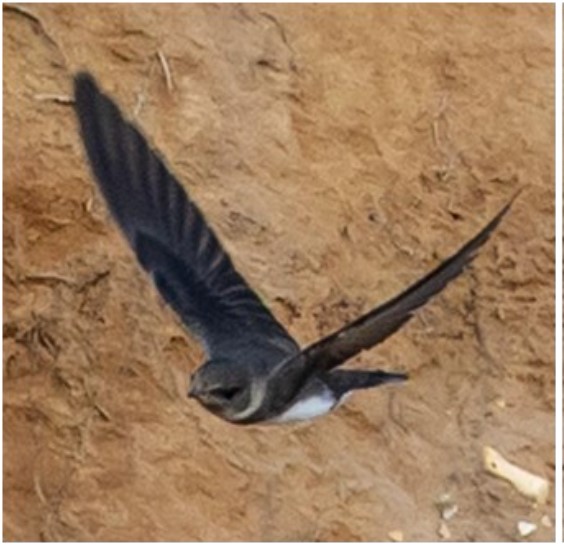
In April, we met at Cadover Bridge hoping to see sand martins, and they didn't disappoint. The birds were nesting in the river bank next to the car park, and were giving an amazing flying display swooping and gliding all around the area.
During a short walk further upstream it was a treat to see a bullfinch, as well as a close up of a chaffinch. On the opposite bank willow warblers could be heard, with an occasional glimpse as they flitted about in the bushes and trees.
There were a few other welcome signs of spring - pond skaters in the stream, one butterfly and a single ladies smock flower.
Species seen:
Birds - sand martins, pied wagtail, magpie, crow, mallard, bullfinch, chaffinch.
Flowers - gorse, ladies smock, celendines.
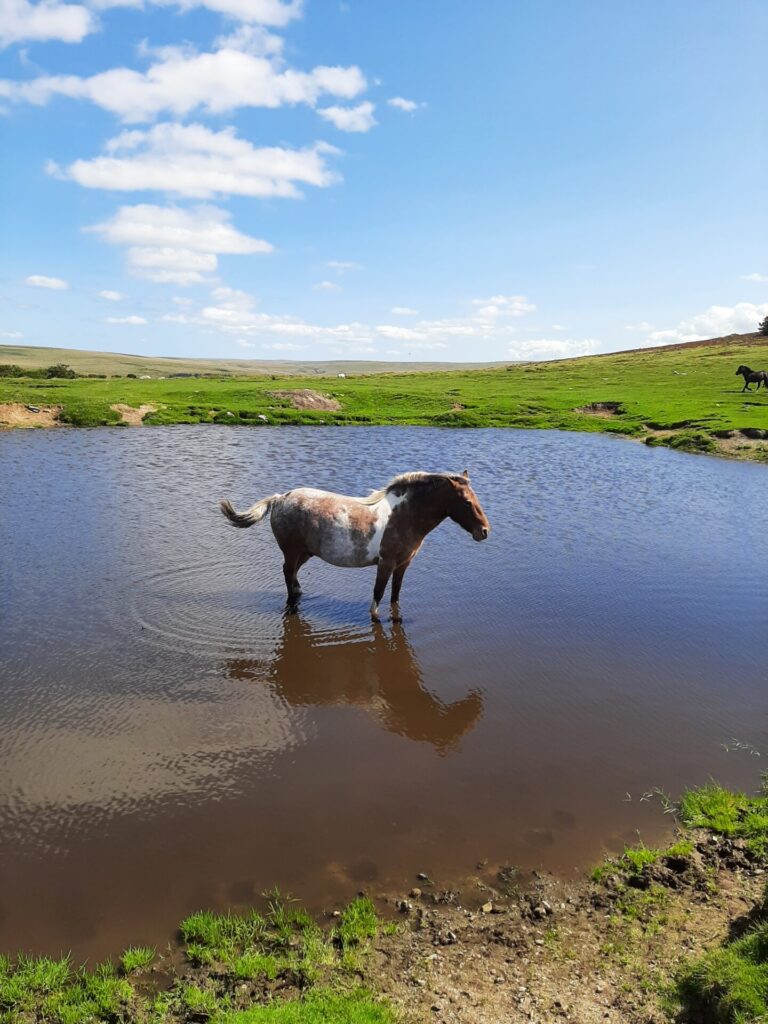
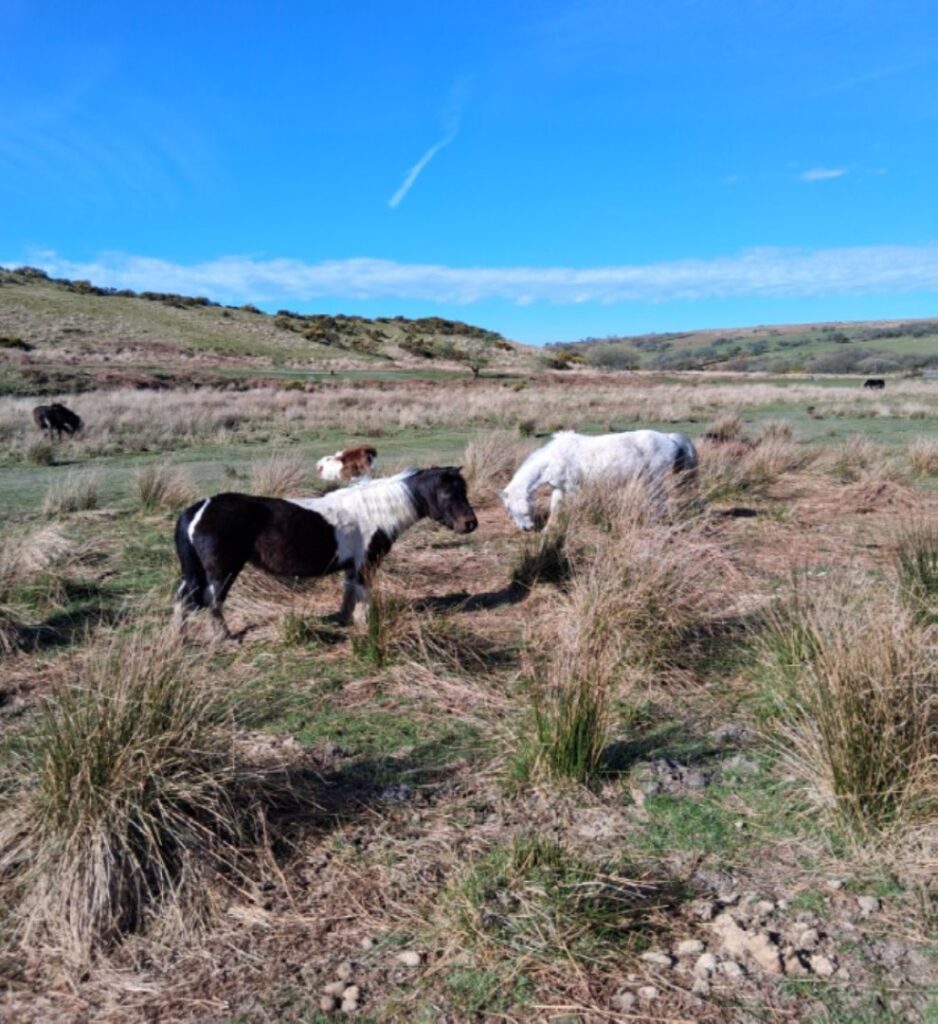
Animals - pond skaters, Dartmoor ponies.
April 2026
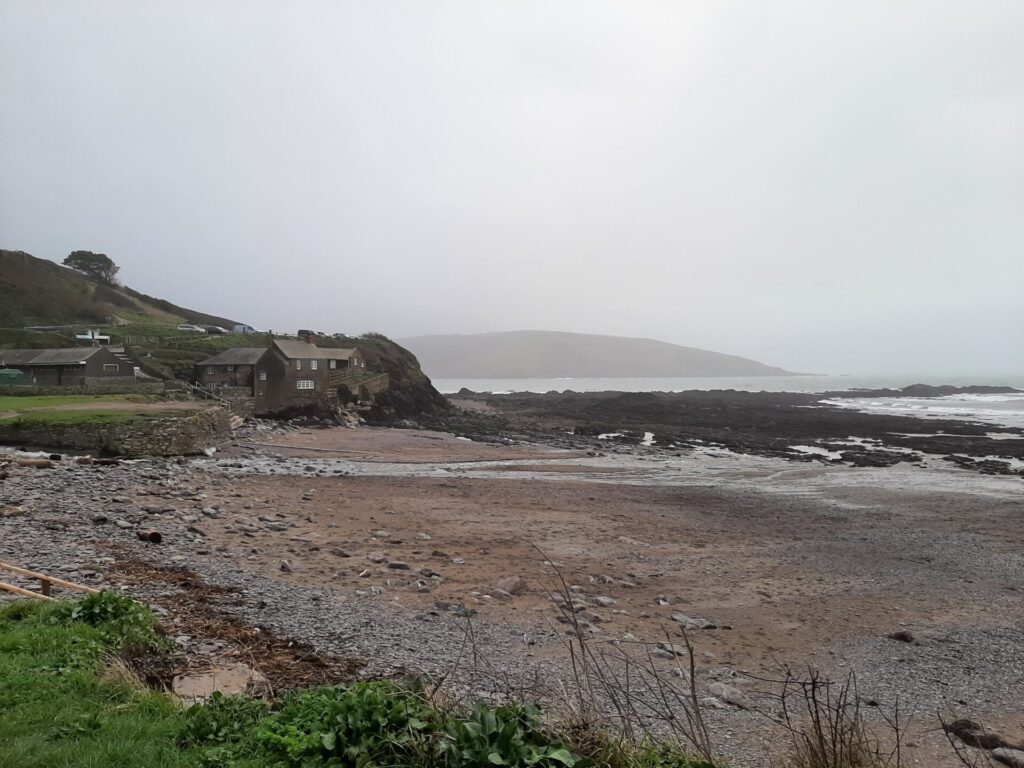
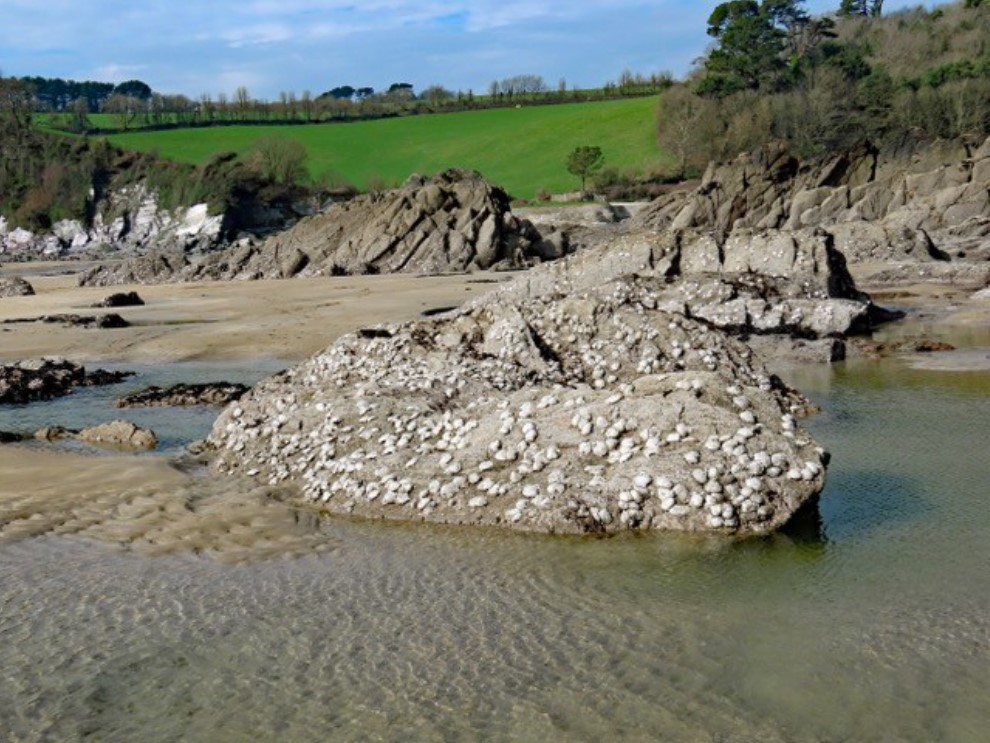
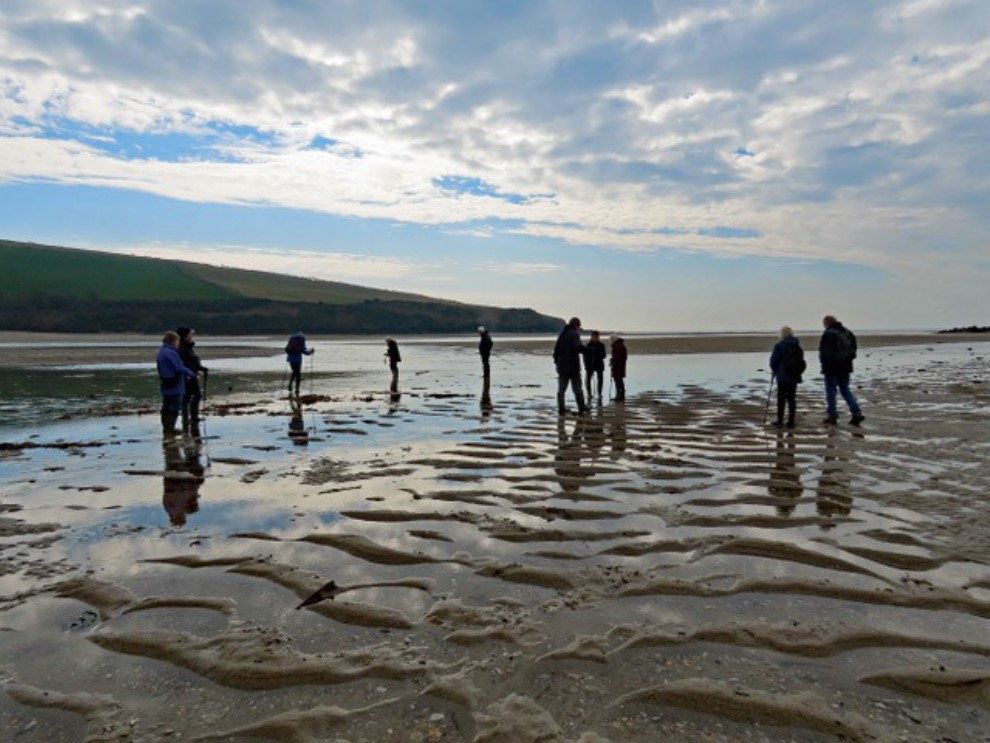
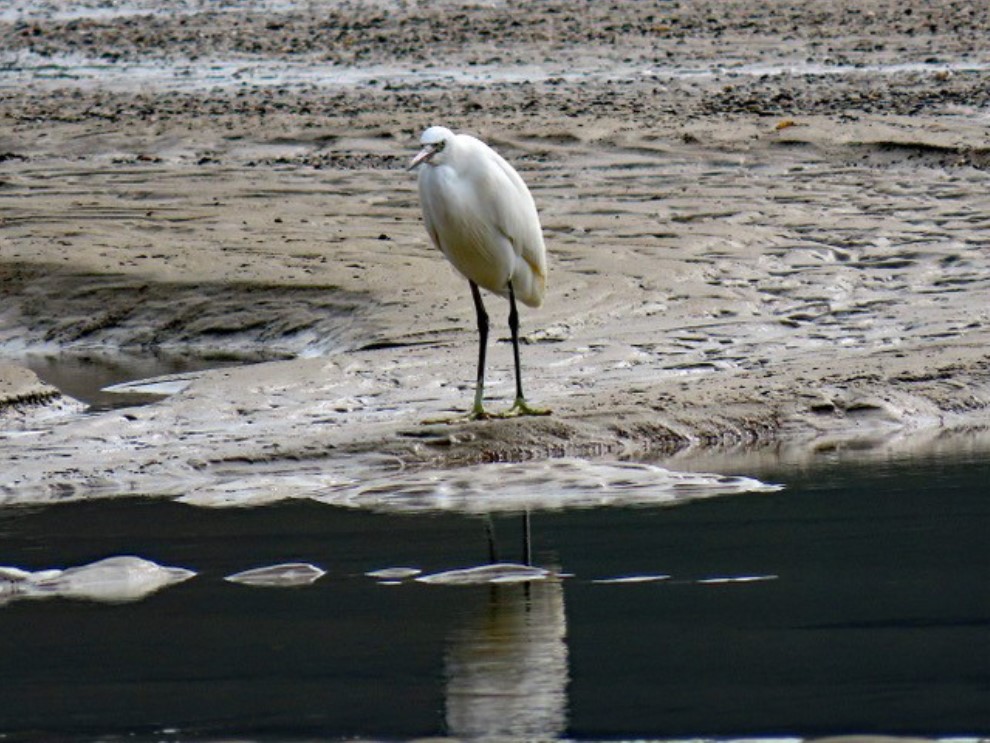
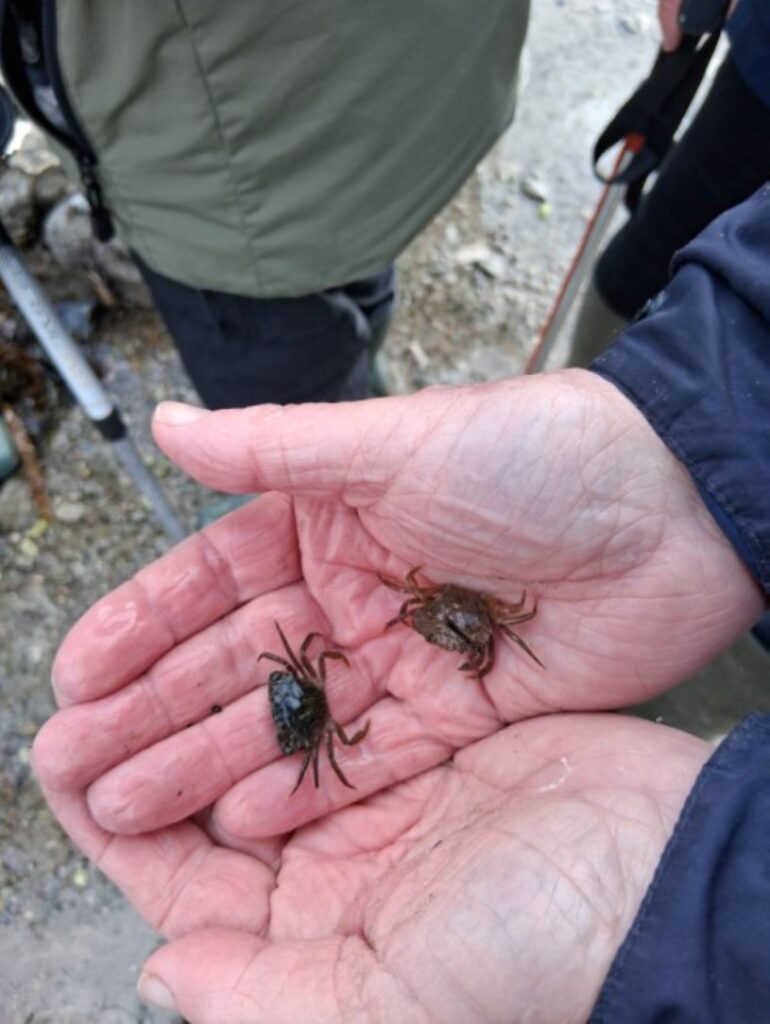
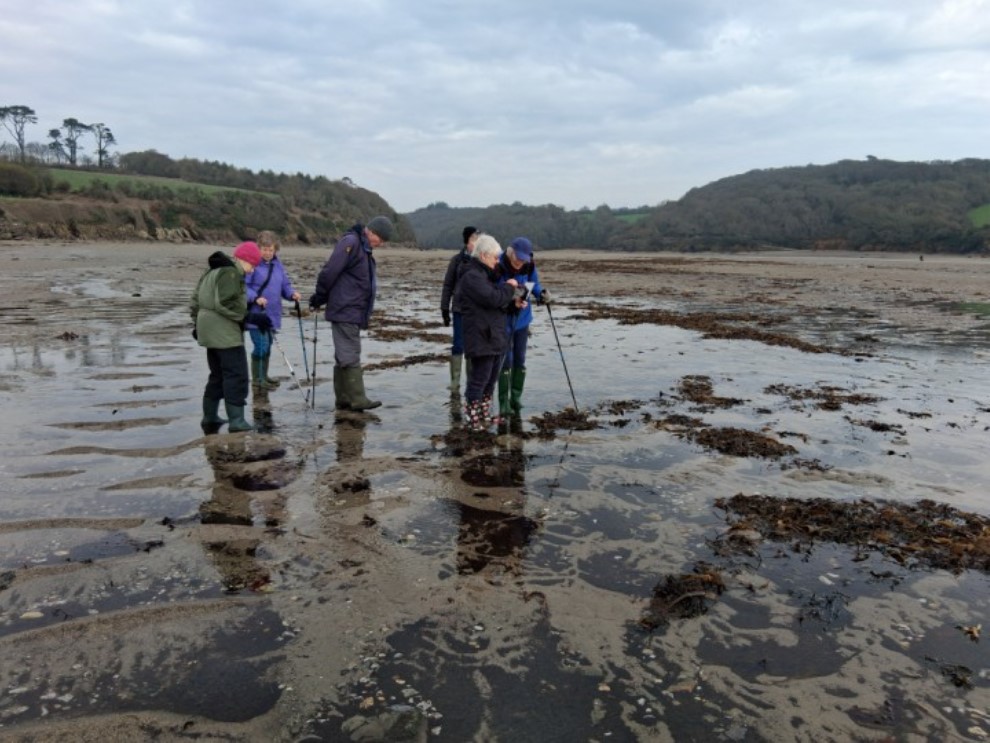
After the disappointment of our February outing, we enjoyed a perfect early spring day in March at the Erme estuary and Mothecombe beach. With a very low tide, wide stretches of sand interspersed with rock pools were exposed. Alun and Bluey were particularly skilful in lifting rocks and catching creatures living underneath. These included a crab which had newly shed its shell, unusually early in the season. Also a shore clingfish which none of us had heard of or seen before. Both creatures and their protective rocks were replaced exactly in their original positions. A less welcome sight was seeing invasive species of oysters covering several rocks which crowd out native species which live on the rocks.
A bonus at the end of the morning was the tea room open in Mothecombe House gardens for tea and cake in a beautiful setting.
Species seen:
cockles, winkles, crabs, limpets, oysters, barnacles, whelks, lugworm casts, tube worms, green and brown seaweeds.
Birds- little egret, buzzards, oyster catcher, black backed gulls.
Flowers- red campion, celendines, primroses, stitchwort.
Misc- black hairy caterpillar, peacock butterfly, bumblebees, small bees.
March 2026
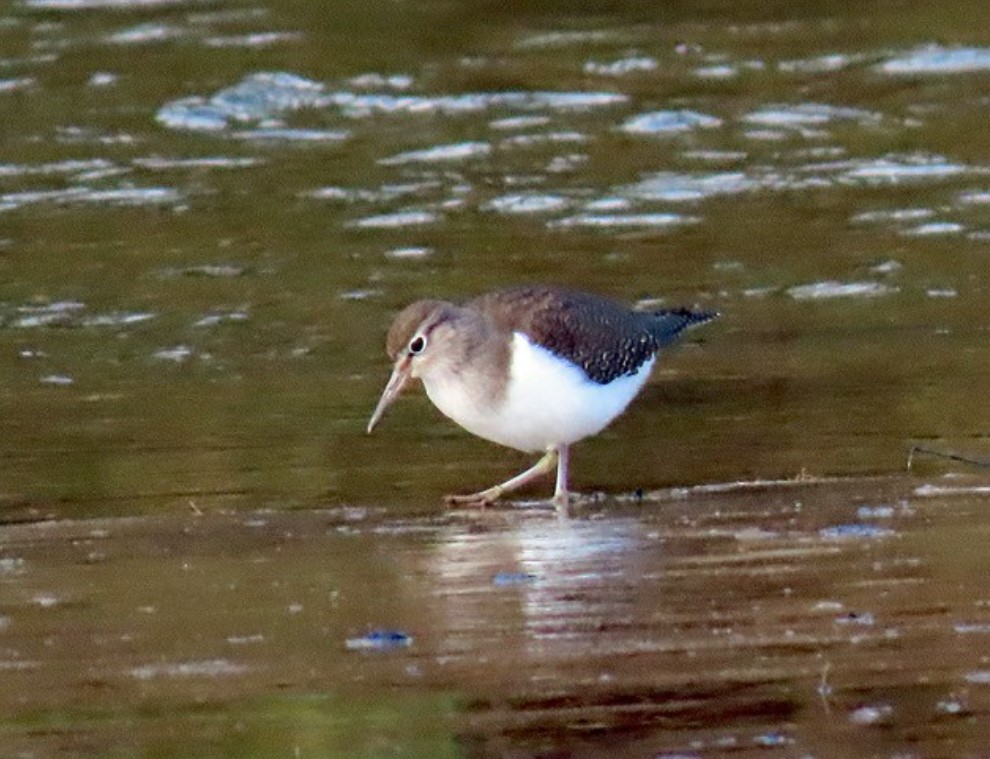
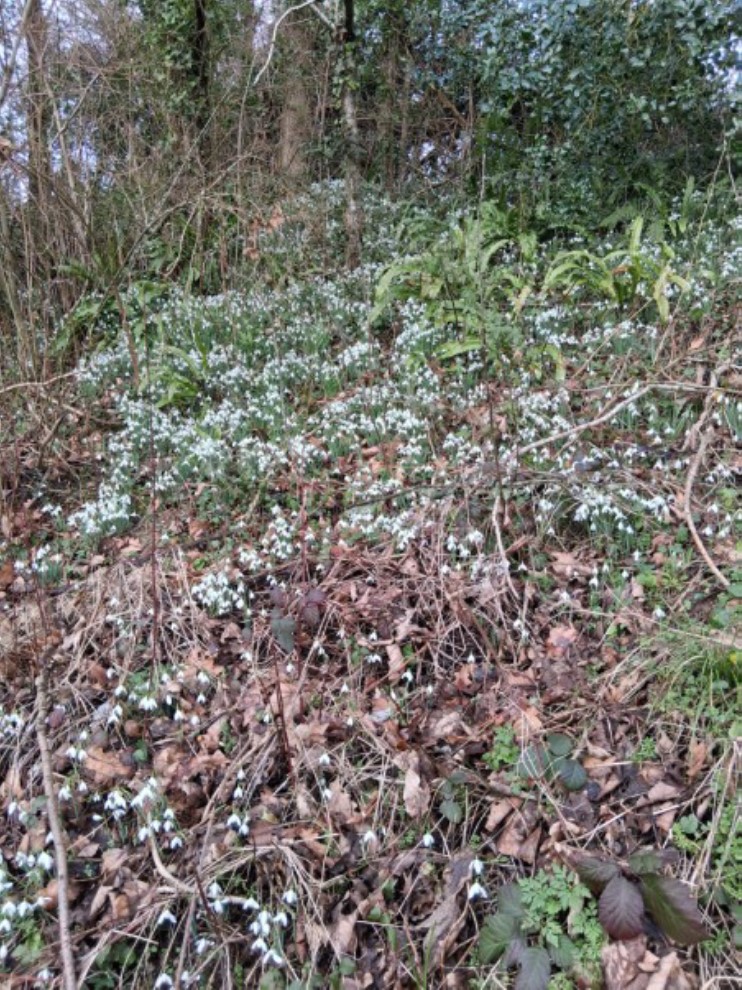
In February, we had planned to walk along the tidal road at Aveton Gifford looking for waders and overwintering birds. However, due to the huge amount of water running off the land into the River Avon the water level did not fall enough to expose the road, even at low tide and we were unable to proceed. Apparently this is a very unusual occurrence. However the Fisherman's Rest pub nearby provided a welcome diversion.
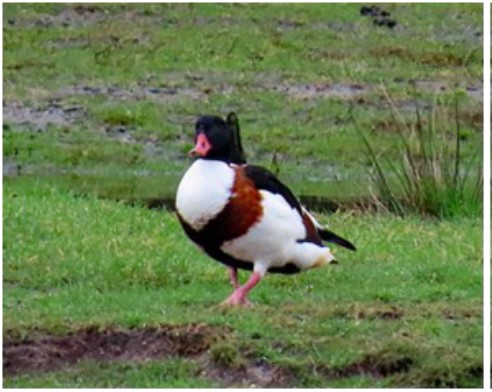
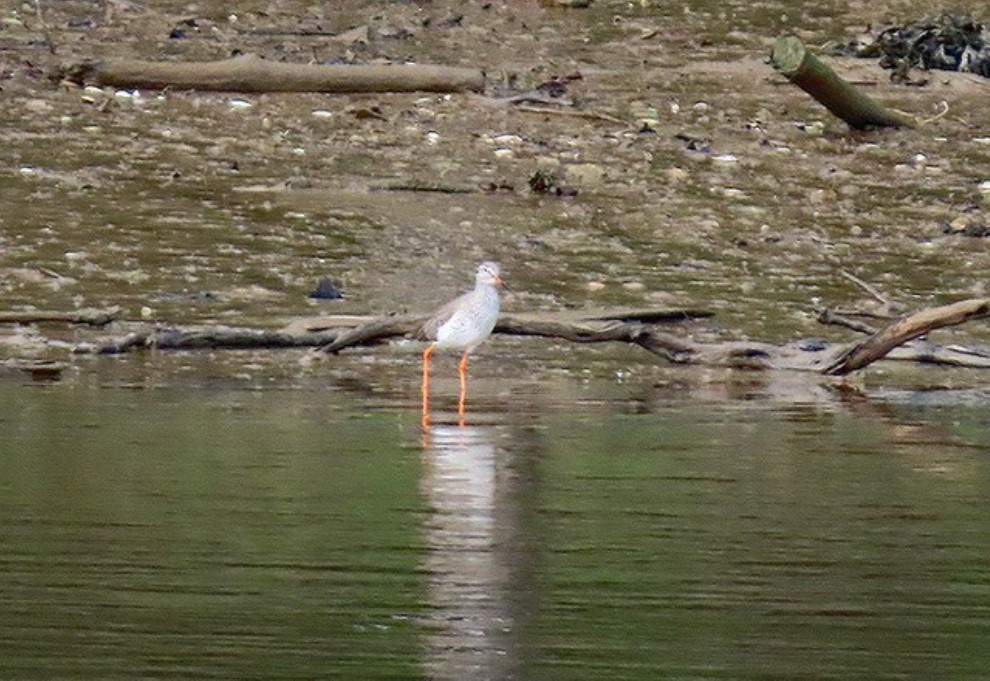
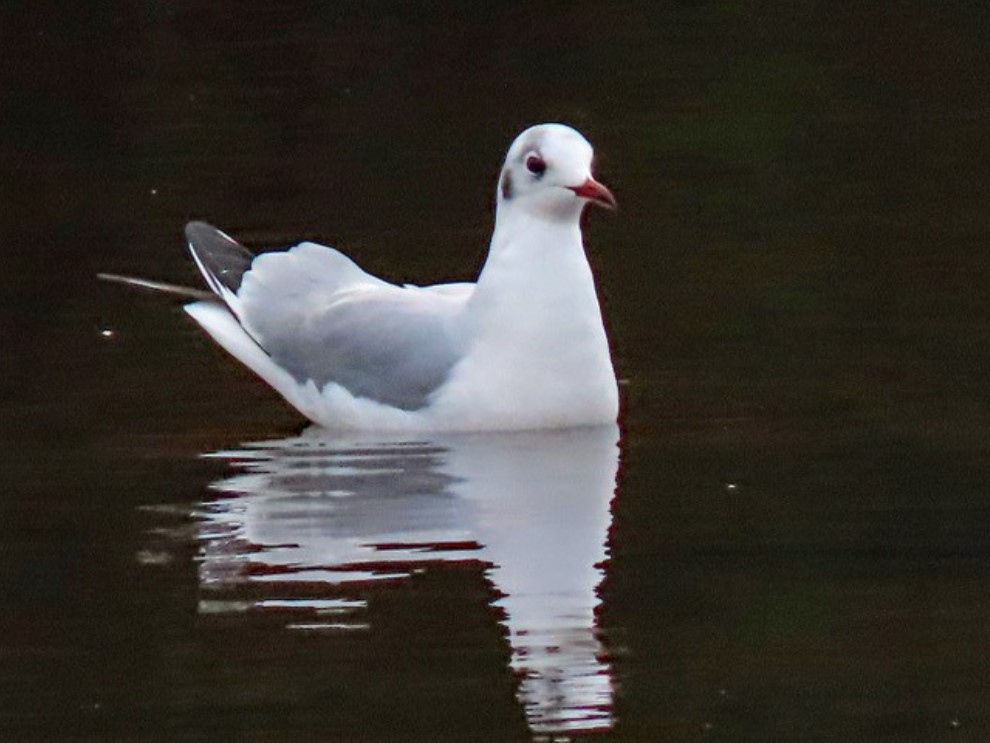
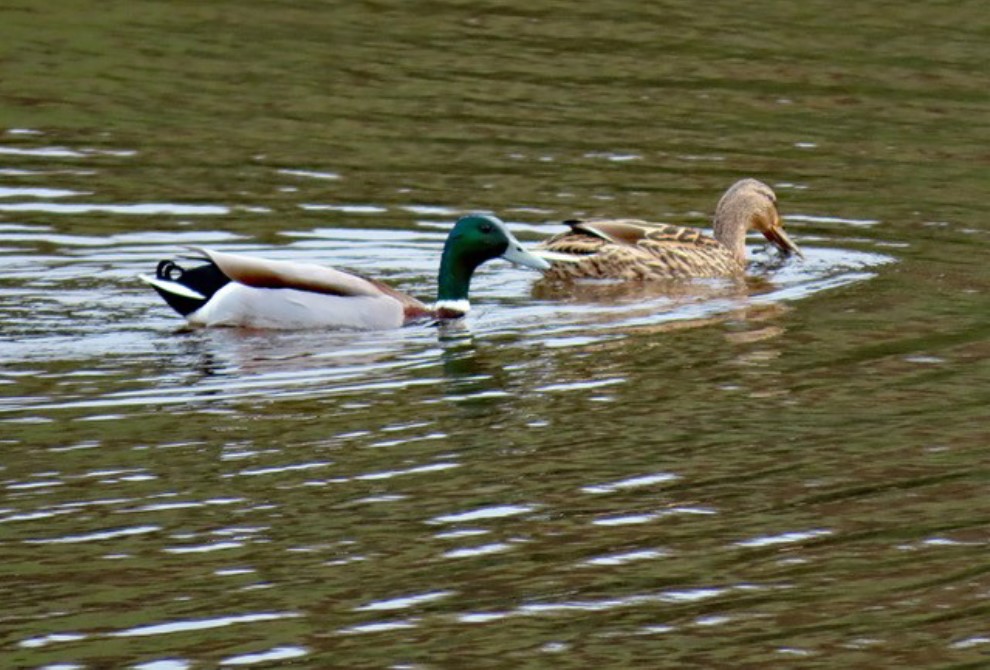
Snowdrops were a particularly welcome sight along the river banks. A few members did walk to a further local site and Leicester Selleck photographed some of the birds, see below!
February 2026
In January, the group met at the Box for a guided tour behind the scenes to view where collections are stored and catalogued. We were taken to the basement to see the extensive storage facilities. There are thousands of boxes of natural history specimens, some from the C18th, large Edwardian collections of birds eggs, insects, flowers, seaweeds etc, mostly from the southwest. These ancient items are valuable to researchers who may compare changes over the years caused by habitat challenges or climate change.
We then ascended by lift to the top floors where items, especially from Cattedown Quarry and Kitley caves are stored - skeleton pieces of humans and animals such as rhino and bear. It was a fascinating insight into the varied and valuable collections Plymouth owns.
Footnote: Why was the new museum called 'the Box'? So Plymothians could look up to the modern extension above the original buildings and see where the City's treasures are stored - in the Box!
January 2026
Our December meeting was a get-together for a Christmas lunch at The Cookhouse, Lockyers Quay. As you can see from the picture it was very much enjoyed by everyone. Good food and friendship.

November 2025
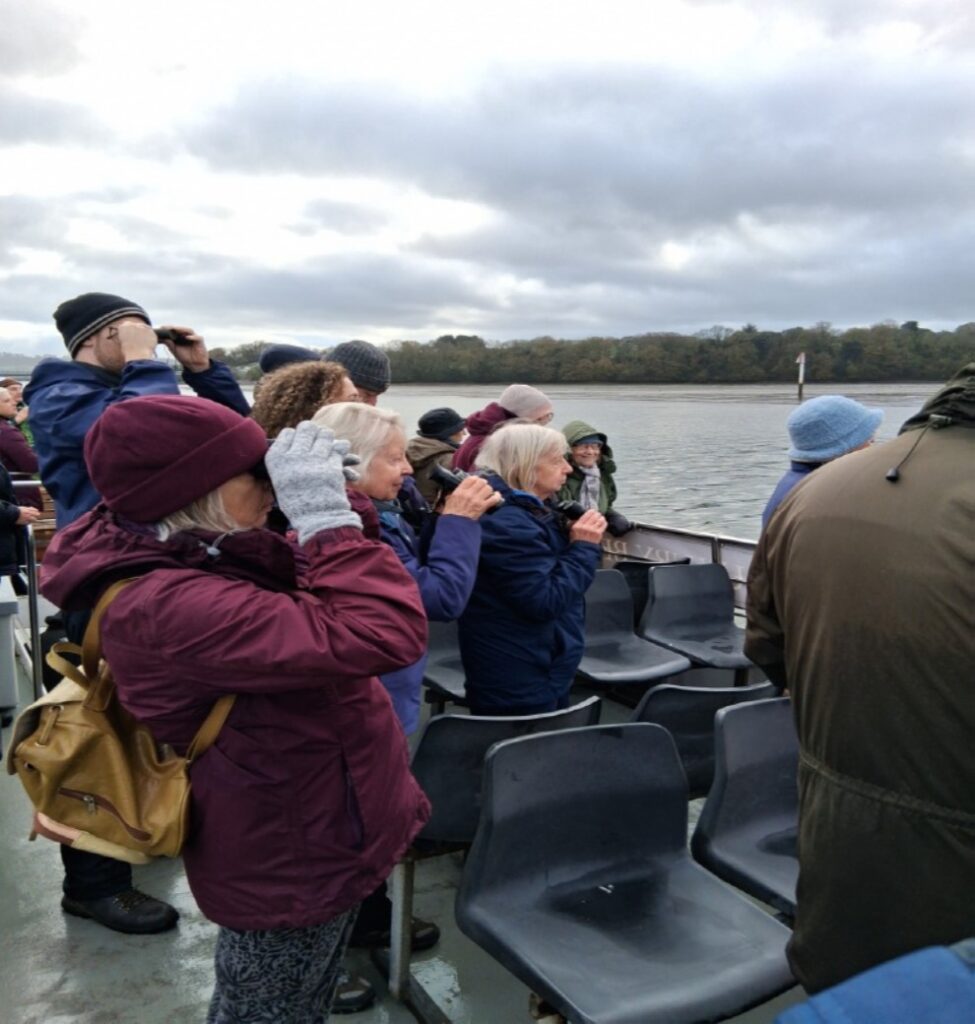
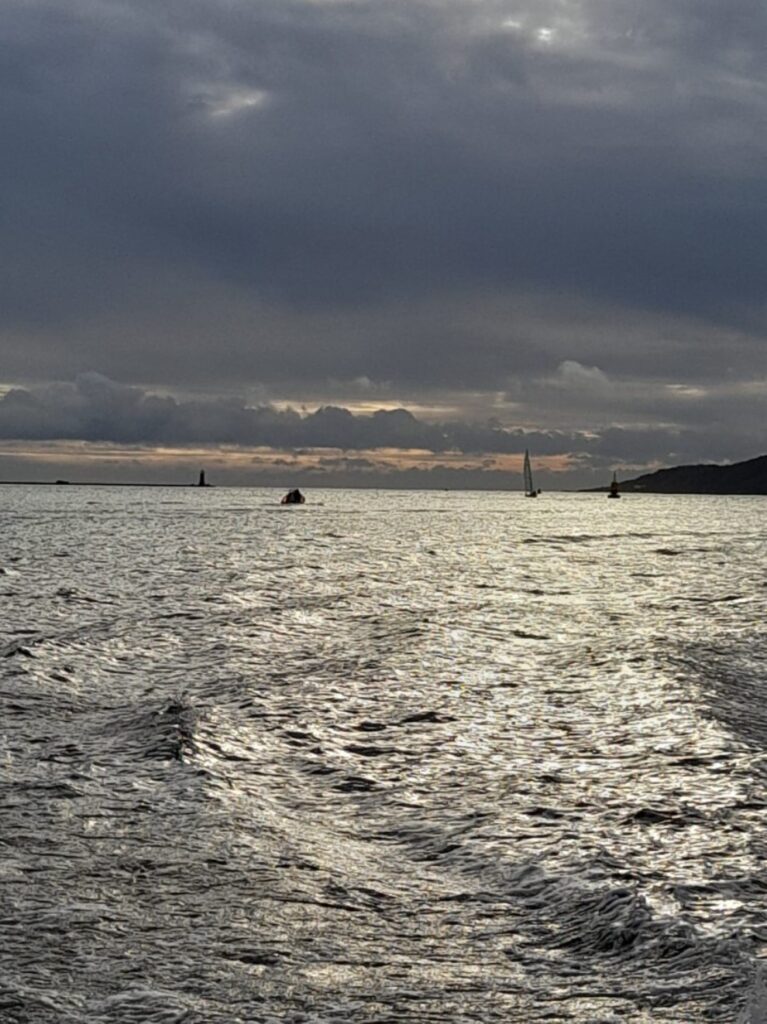
An intrepid group of nine members set out from the Barbican on a three hour wildlife cruise, in blustery, damp conditions. The sea was certainly 'lumpy' as we headed across the Sound, but calmed and the weather cleared as we entered the Rivers Tamar and Lynher. These rivers are nationally important feeding areas for overwintering birds, and many types were identified by a RSPB guide.
The highlight was observing a Spoonbill, a large pure white bird with a spoon shaped bill which it uses to sieve the water and mud for food. Its young are known as teaspoons!
Species seen:
Spoonbill: little and great egrets: grey heron: cormorant: Canada geese: Brent geese: crow: black backed gulls: oyster catchers: wigeon: dunlin: magenza: black tailed and bar tailed godwits: great crested grebe: curlew: mute swans: shelduck: redshank, greenshank: northern diver.
October 2025
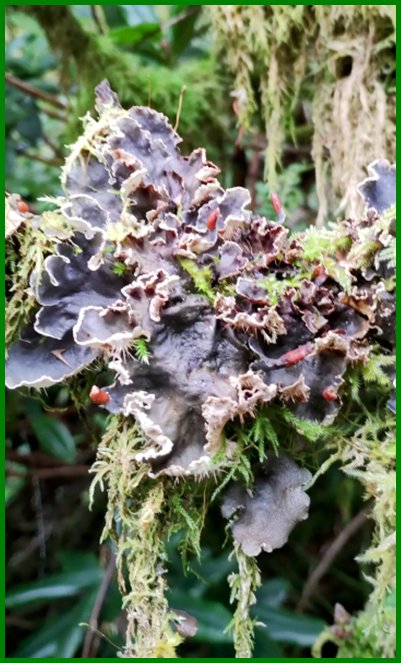
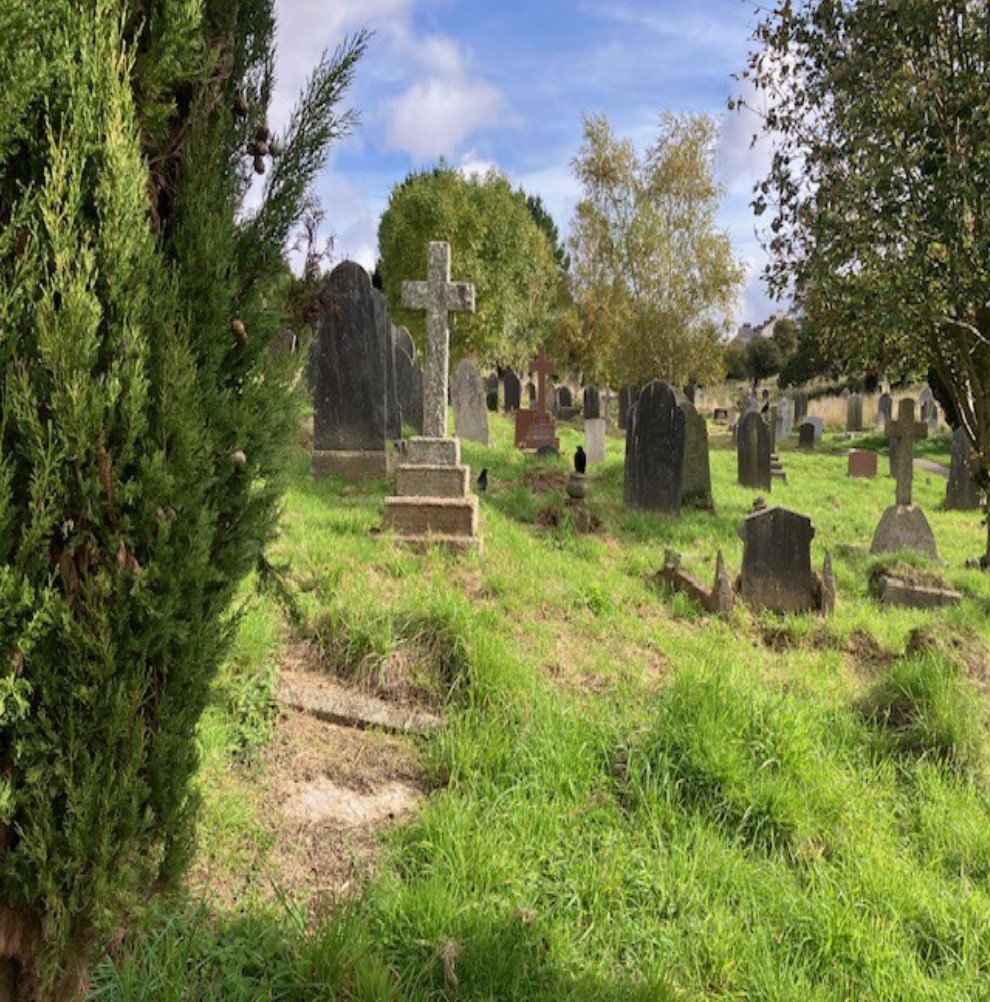
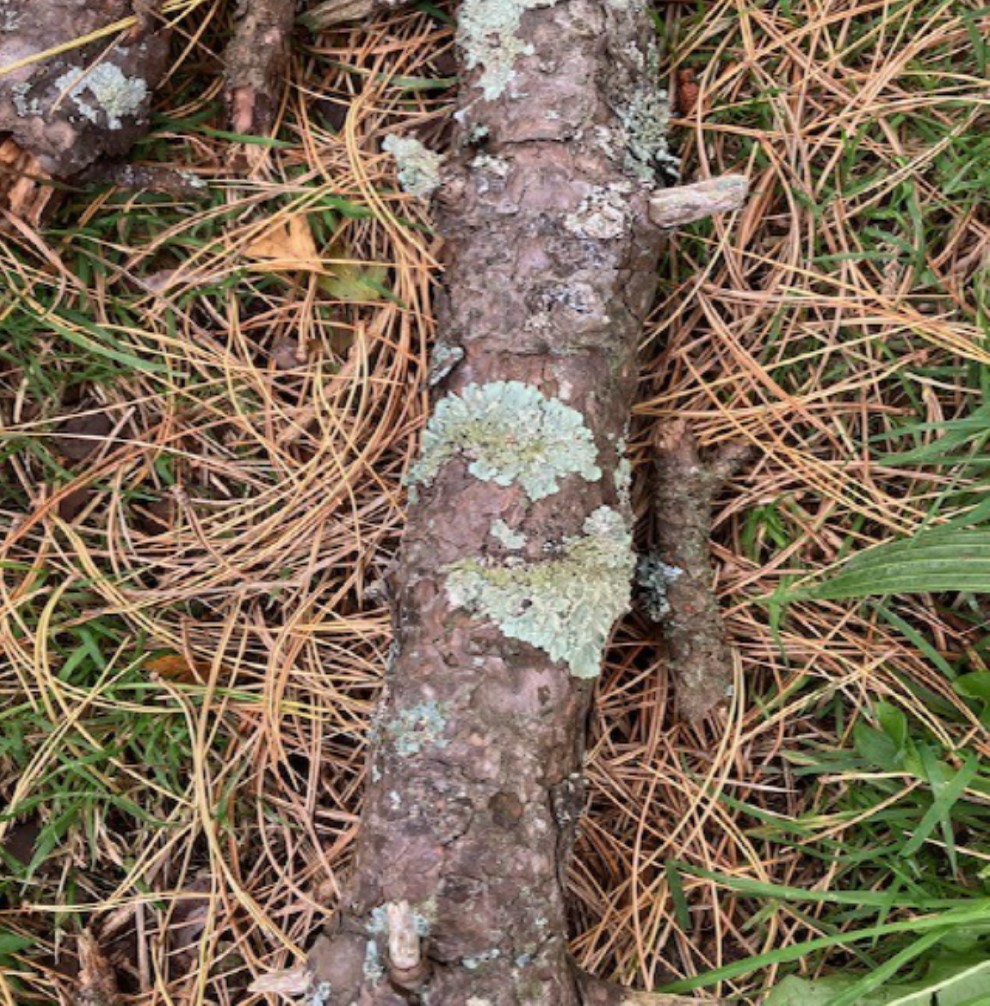
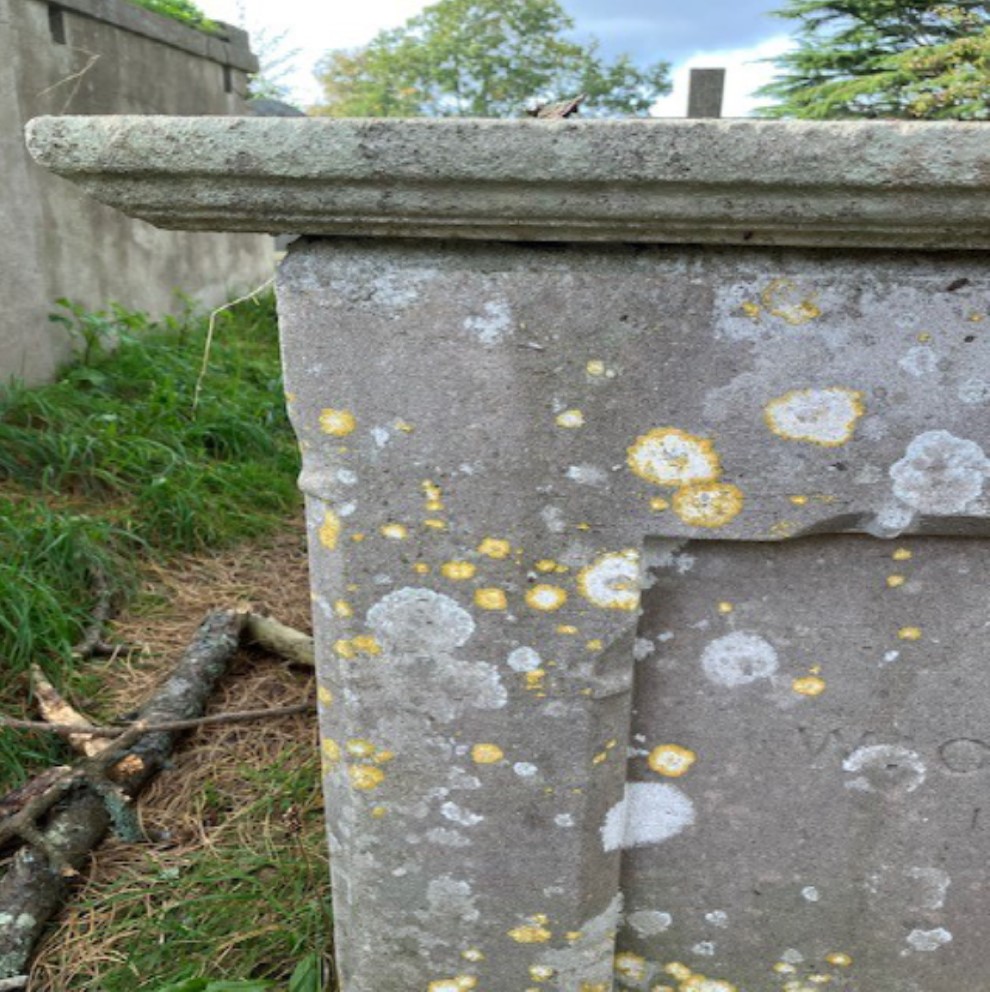
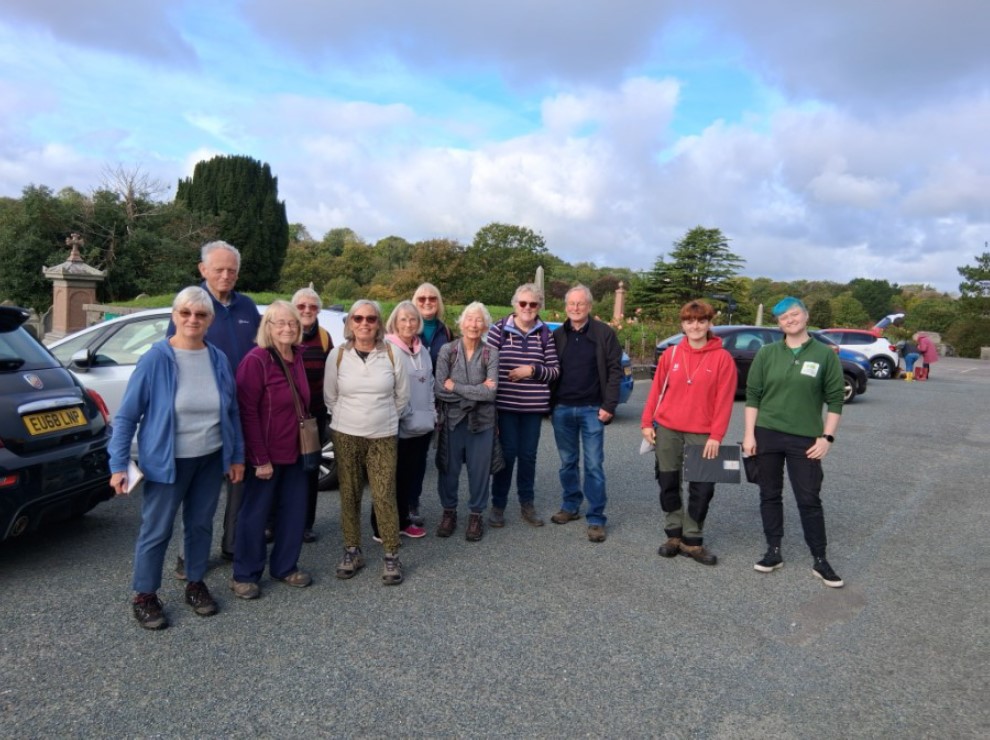
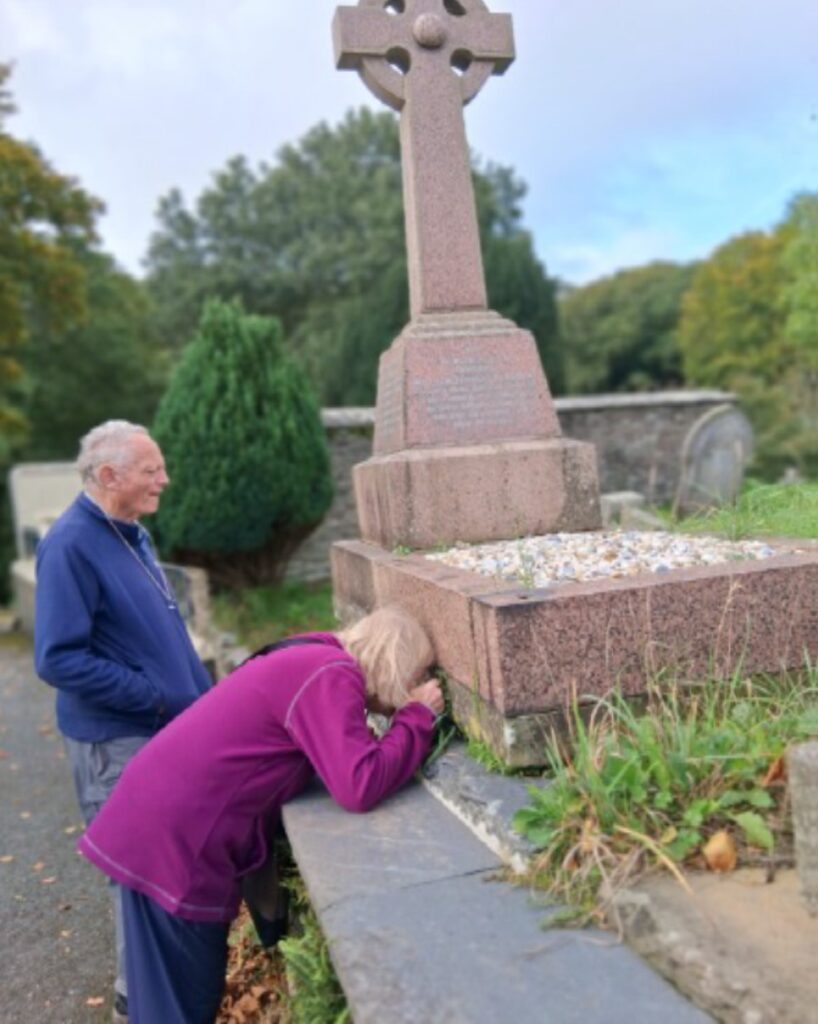
We met Jess from the National Trust, Holly from Plymouth Natural Grid and Caroline, a local enthusiast to learn more about lichen.
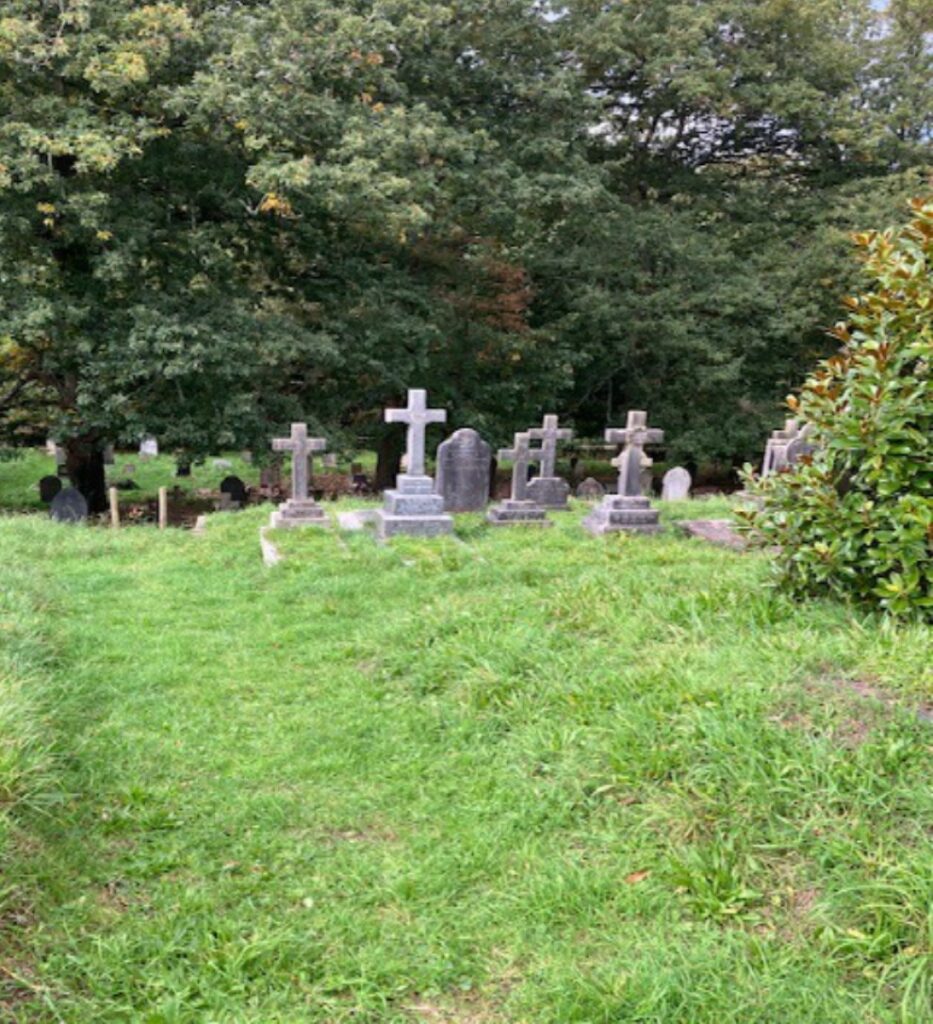
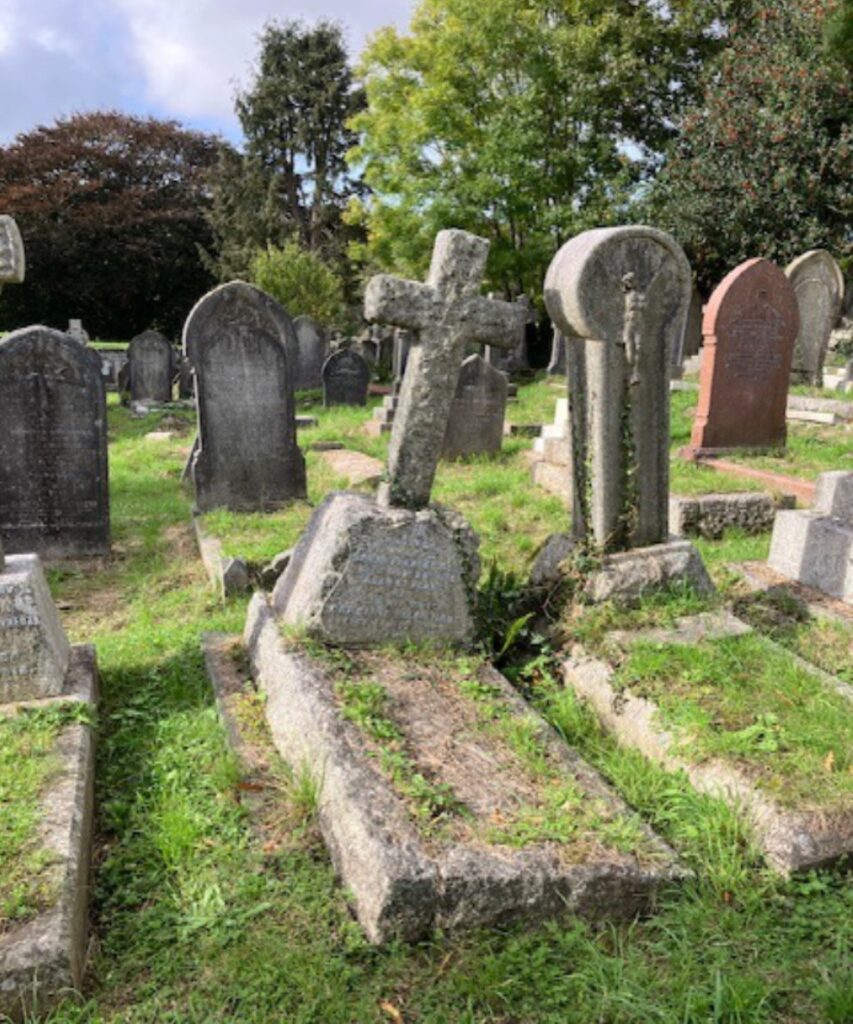
Usually overlooked, lichen grow widely on trees, walls and particularly in our venue - gravestones. Part fungi, part algae they grow extremely slowly (some 2-5 mm a year). They thrive on nutrients and moisture in the air.
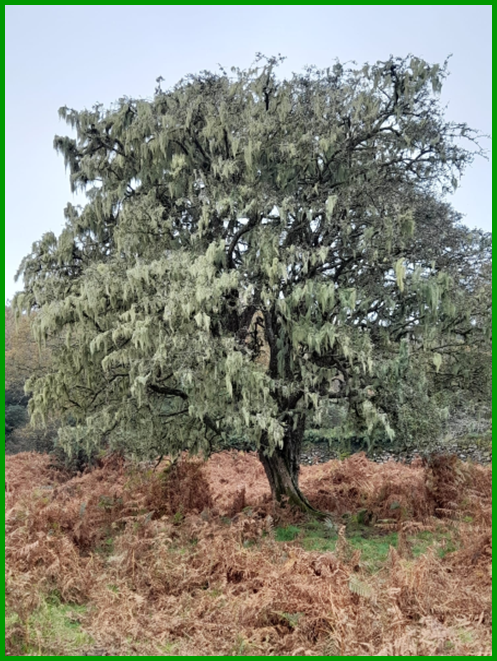
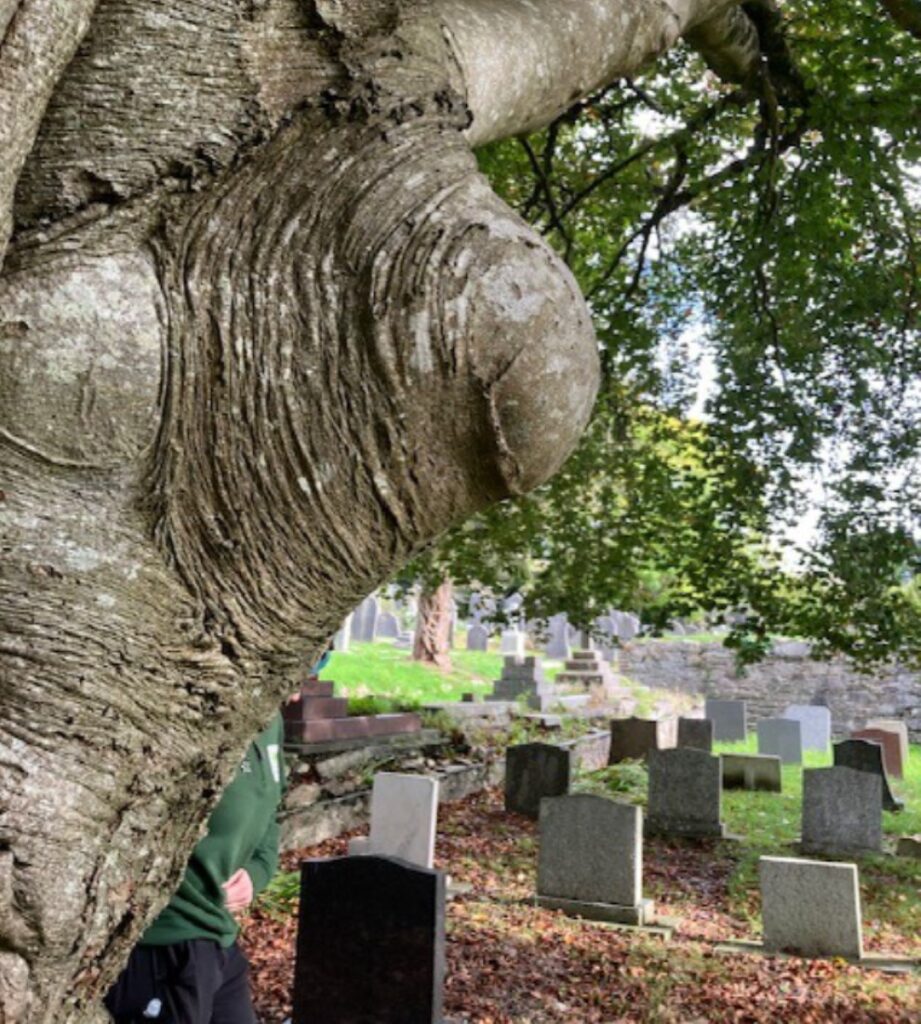
Lichens can be roughly divided into three groups - Foliose, Fruticose and the most common we saw Crustose,the Crusties. An ancient beech tree had several types in various colours growing at different levels up its trunk and branches. It was a revelation to be made aware of these varied and colourful structures so common but so rarely noticed.
Our thanks go to our knowledgeable and enthusiastic guides and especially for the loan of magnifying eye-glasses which allowed us to closely examine these fascinating organisms.
August 2025
Andrew's Wood, Loddiswell
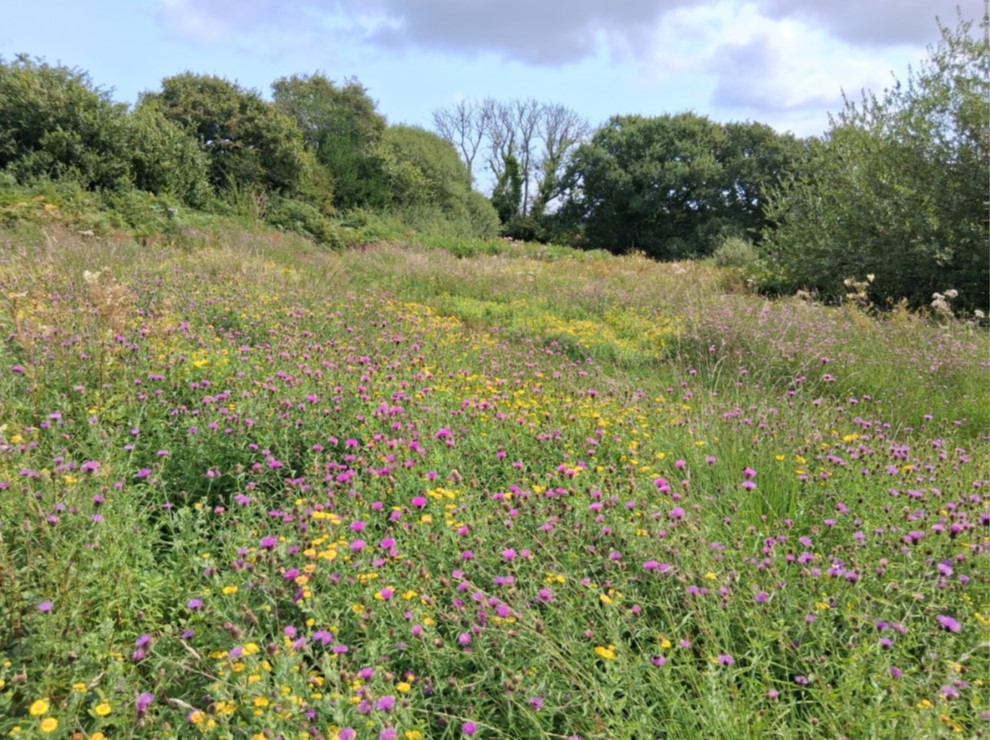
This nature reserve is managed by Devon Wildlife Trust and has various habitats - a stream, marsh, meadow and woods.
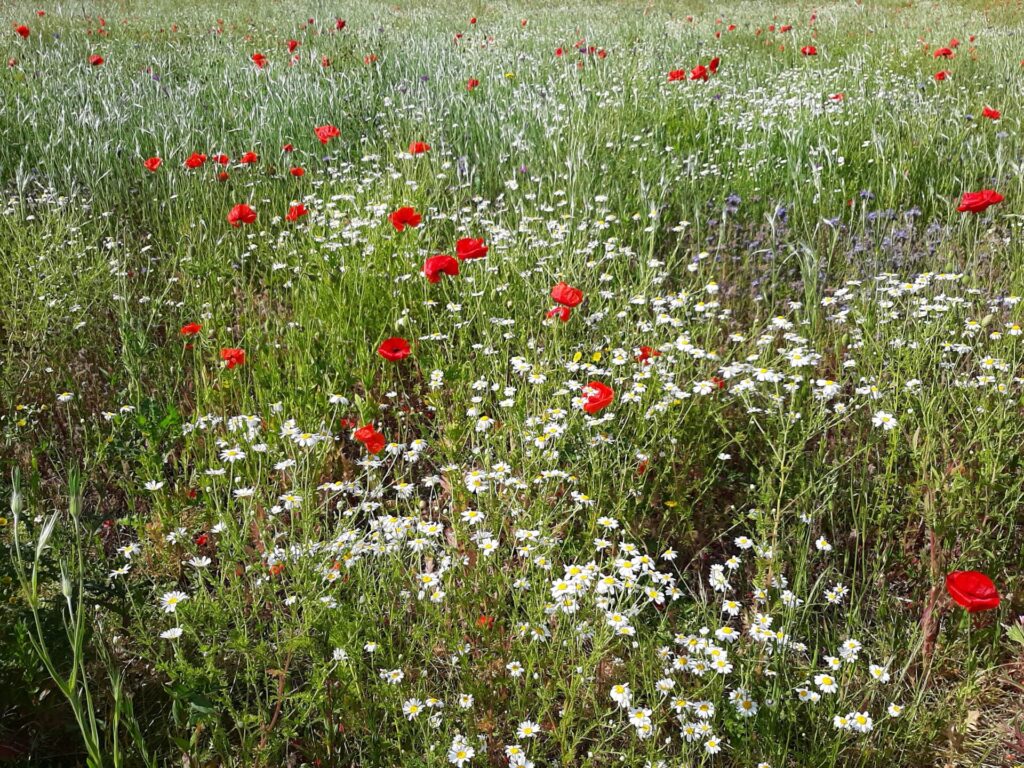
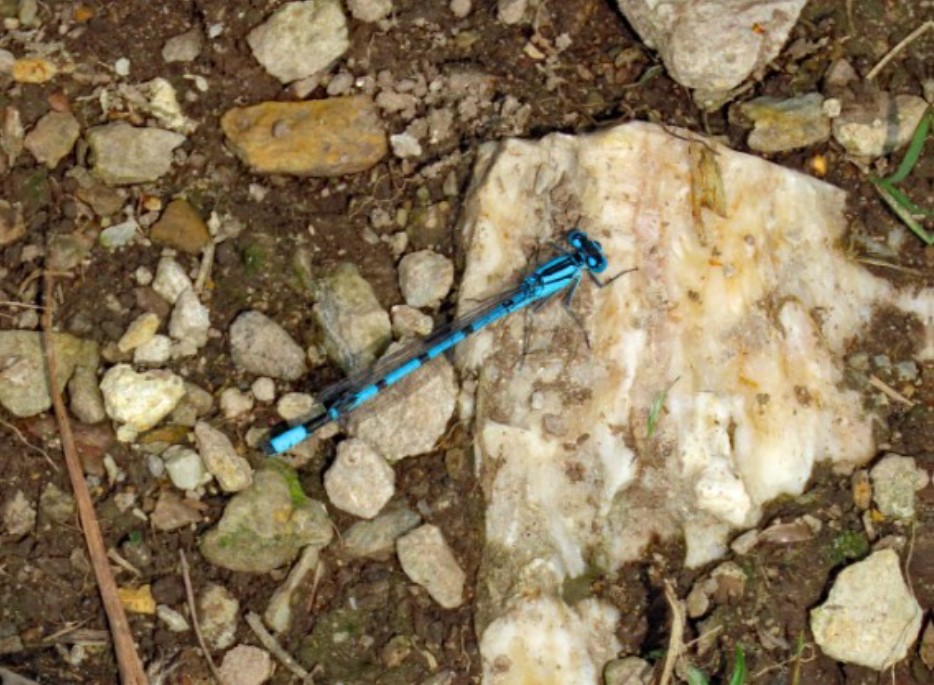
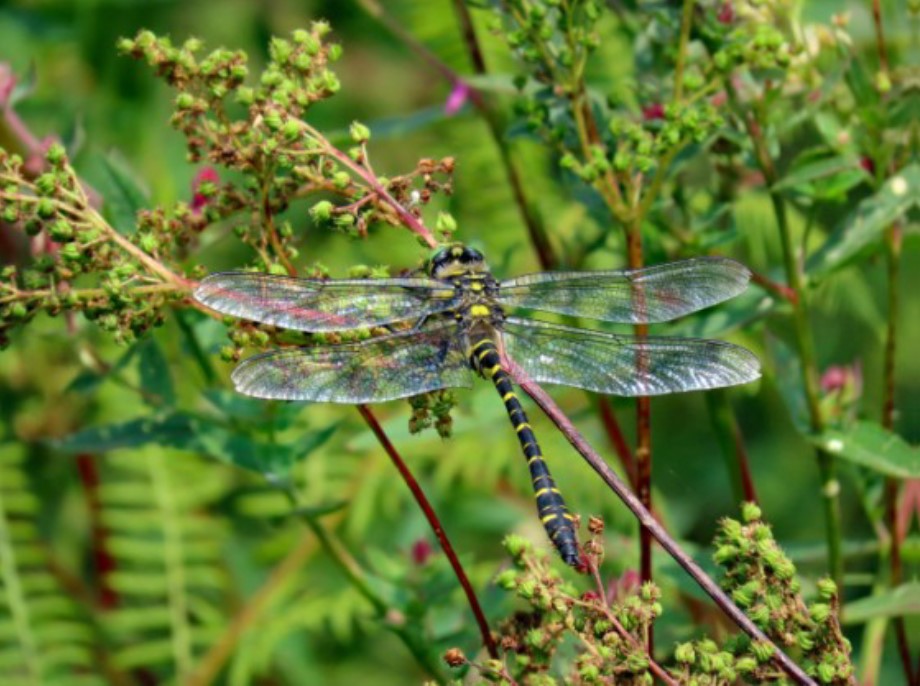
The meadow was a mass of mainly purple knapweed and yellow fleabane with many other flowers and plants mixed among them and along the margins. We identified one nationally rare mauve flower, the heath lobelia. These plants attracted large numbers of insects and different types of bees. The sunshine had brought out butterflies, dragonflies and damsel flies.
This well-managed reserve has boxes positioned on several trees for the hazel dormouse, a protected species. The wide variety of flowers and wildlife showed us the value and importance of protected areas such as Andrew's Wood.
Species seen:
Flowers:- heath lobelia, red campion, knapweed, vetch, field mint, water mint, bird's foot trefoil, sticky bartsia, pink bartsia, fleabane, willowherb, meadowsweet, red clover, silverweed, tormentil, betony, purple loosetrife, marjaram, enchanters night-shade, heather, scabious.
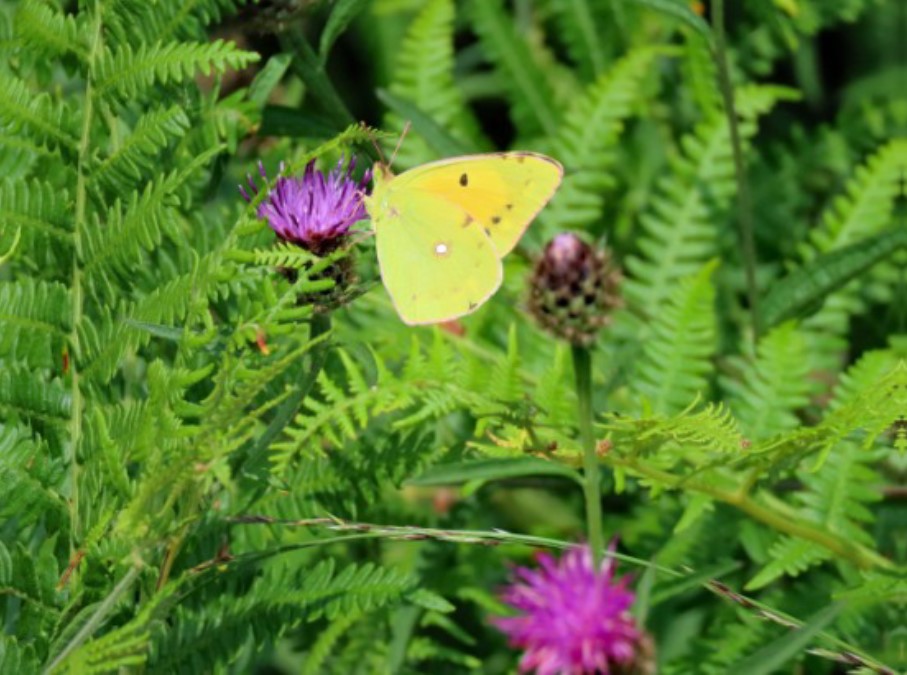
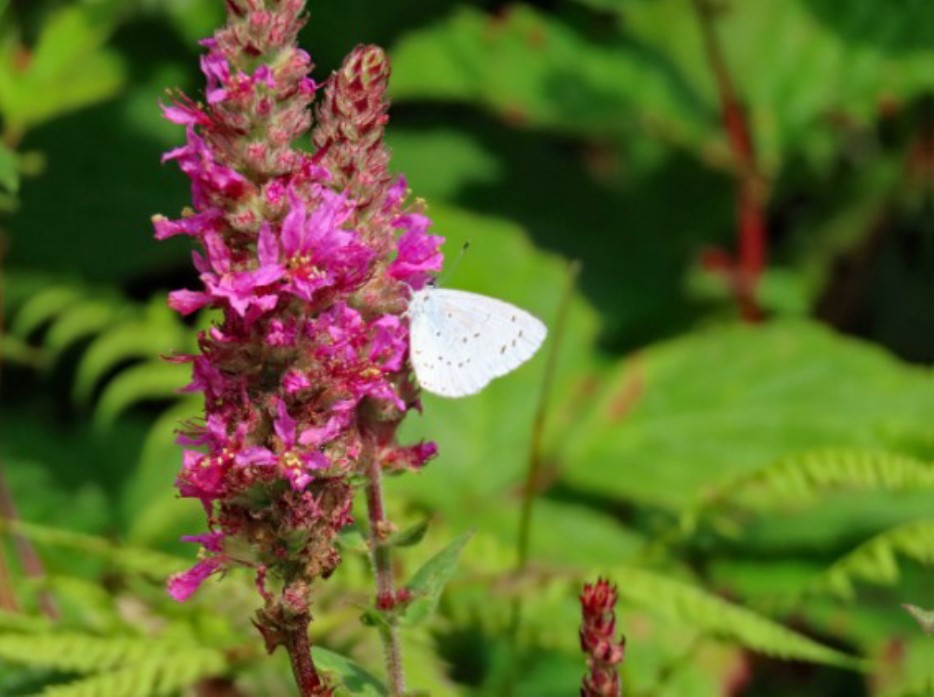
Butterflies:- gatekeeper, meadow brown, large white, small white, red admiral, pea-cock, painted lady, holly blue, clouded yellow.
Others:- damsel fly, dragonfly, pond skaters, goldfinch, buzzard.
June 2025
Wembury Marine Centre
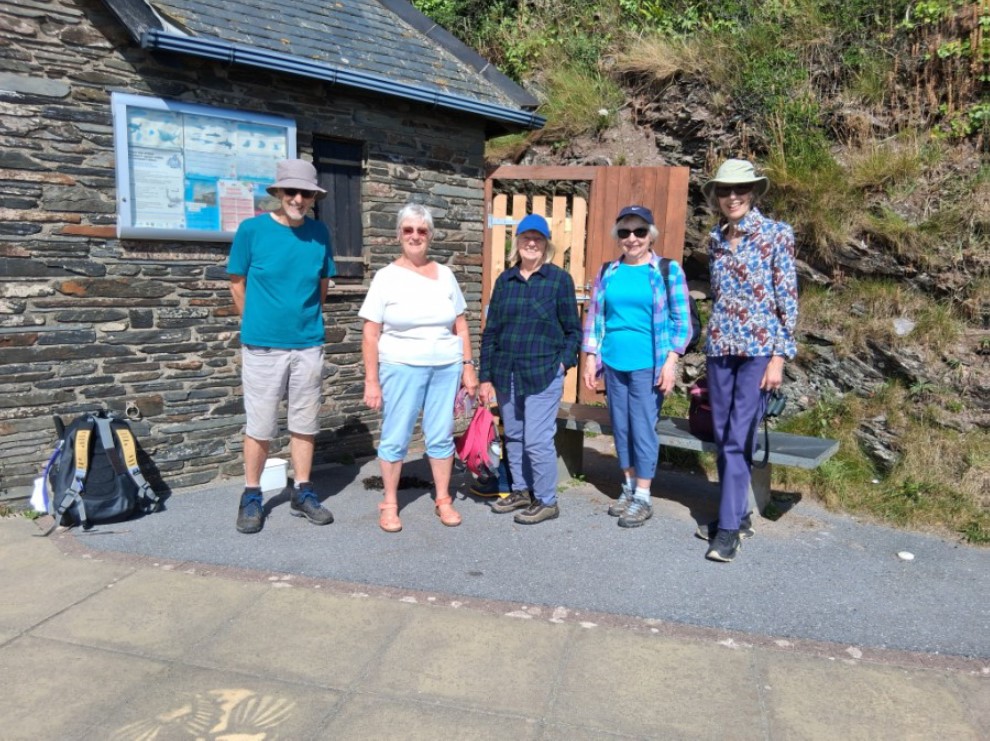
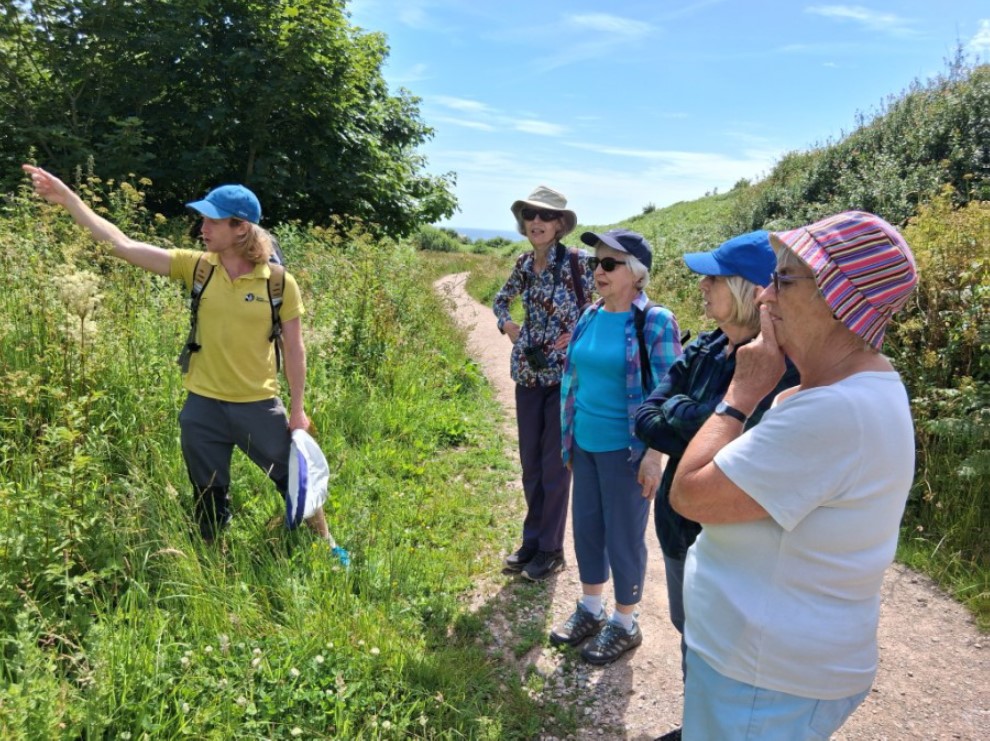
The Natural History Group had an extremely interesting and enjoyable guided walk with Jake Taylor-Bruce from Wembury Marine Centre.
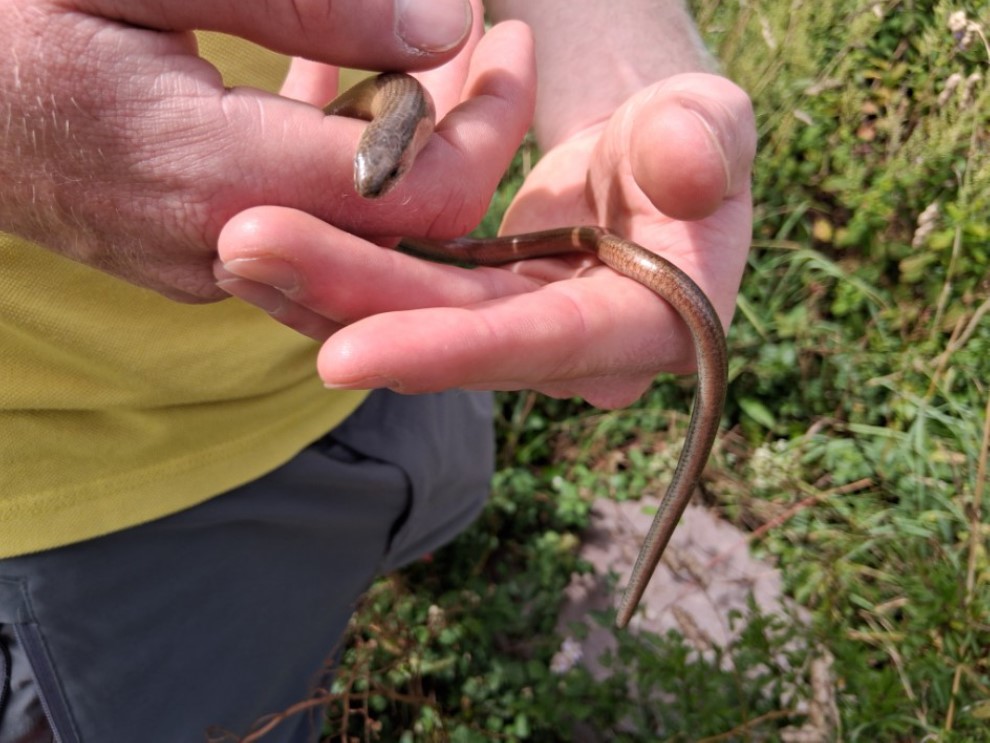
Very knowledgeable in many areas, he gave us background facts on the many insects and plants which we would not normally notice. Such as: where to find the resident slow worms; burrowing holes of mason bees; how to differentiate between the seven types of bees we saw.
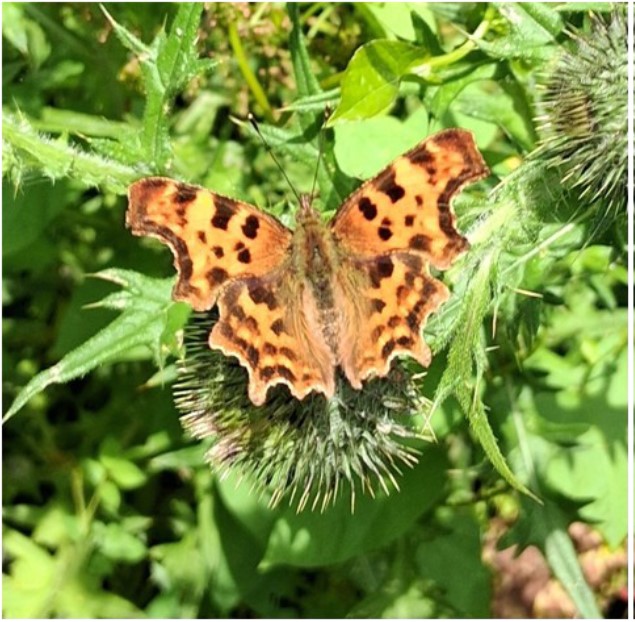
A small area of uncultivated land, rich in brambles and wildflowers was alive with six types of butterflies and many insects. (Brambles are particularly valuable for pollinators, as are late flowering knapweeds.) A reminder to us all to leave some of our gardens 'wild for wildlife'.
The stream running through the meadow to Wembury beach is an asset to nature. Eels and small trout are present, as well as specialised plants such as water mint, meadowsweet and willowherb. Horsetails, also to be found, are one of the oldest plant types on earth. There are possible plans in future to form a reed bed upstream to provide a new habitat.
We enjoyed identifying the very active cardinal beetles, (knickname 'bonking beetles !!), the wonderfully named bristly ox tongue, and the hemlock water dropwort, all parts of which are extremely toxic.
May 2025
Poole Farm Estover
We visited Poole Farm, situated at Estover near to the new Platinum Parkway, which is an excellent example of Plymouth City Council in conjunction with the National Trust working to provide an extensive open area for the people of Plymouth.
The former farmhouse is now a resource centre for many activities - forest school, work with disaffected young people, community gardening, care of the pigs and chickens - all of which are aided by a team of volunteers.
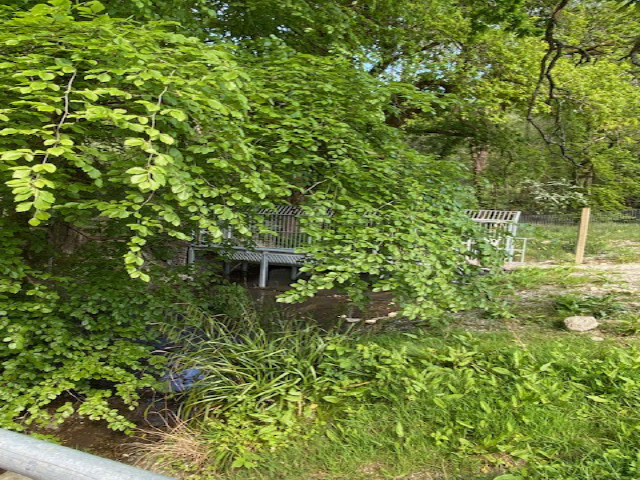
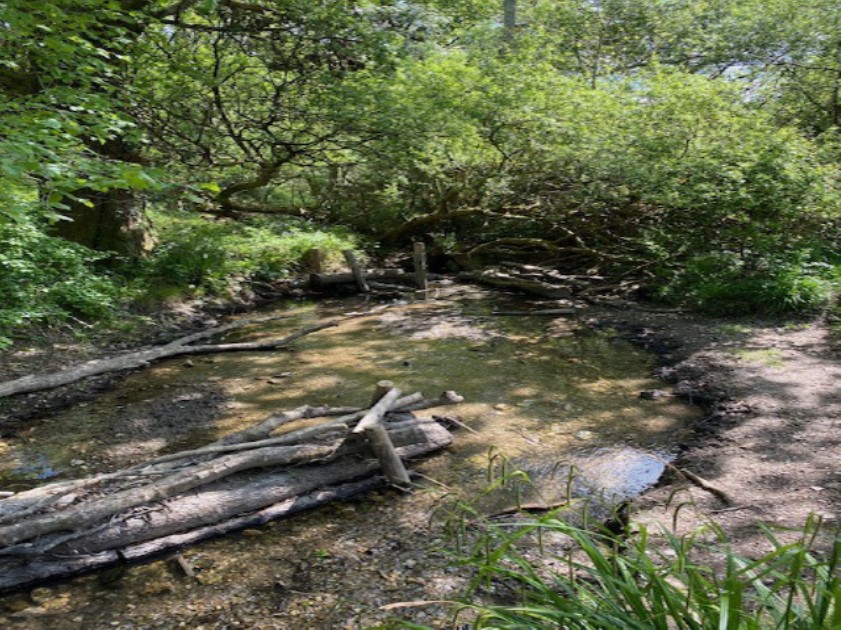
Accessible pathways lead up the Seaton Valley, alongside the stream which flows down from Crownhill. Much work has been done to slow the flow of the stream by building rustic dams from local fallen trees, using traditional methods. These have proved successful in preventing flooding downstream. Space is left under the dams for fish to migrate up to their spawning grounds.
Planting on the steep valley slopes using traditional patterns and skills will result in habitats ideal for many types of flora and fauna.
There is a large herd of fallow deer roaming through the extensive wood and open land, so temporary fences are erected to protect the young plantings initially.
There are resident beavers in a selected fenced area. They have proved very happy in their new home (relocated from Scotland), as they have produced young (a kit). They help the ecology of the area.
This little known facility is well worth a visit - very peaceful, birdsong, ancient woodland, flowing river - great for everyone!
April 2025
Radford Park and Arboretum
It was a beautiful sunny morning for our walk around Radford Park. With the tide in there were a few birds on the water - swans, coots, egret, a very vocal Canada goose and the highlight, a little grebe.
Several small birds were evident in the undergrowth but not always easy to identify. However, their calls were recognisable. Some early flowering shrubs were seen, particularly blackthorn and cherry.
An unusual flower sighting was a squill which can be confused initially with the [unwelcome] Spanish bluebell.
Species seen:
Flowers - Celendines, daffodils, bluebells, squill, herb robert, alexanders, weeping pear, blackthorn, flowering cherry.
Birds - Great tit, egret, magpie, pigeon, swan, chiffchaff, mallard, gull, canada goose, wren, robin, blackbird, greenfinch, goldfinch, shelduck, little grebe, pied wagtail, dunnock, and female tree creeper.
November 2024
Shipley Bridge
Despite the weather being grey and dull, we enjoyed the walk up the valley towards the Avon dam.
The autumn colours were evident both in the trees and the undergrowth. There were few birds around and few flowers to be seen at this time of year but we saw a variety of spectacular lichens in particular hanging from trees and some colourful fungi.
BIRDS - blue tit, robin, magpie, crow.
FLOWERS - coltsfoot, ivy flowers, gorse in flower, water buttercup, late rhododendron.
FUNGI - (candle fungus) and various lichens.
You don't have to be an expert to join us, just have an appreciation of nature.